Ellen Murray Meissinger
June 19, 1947 – October 4, 2025
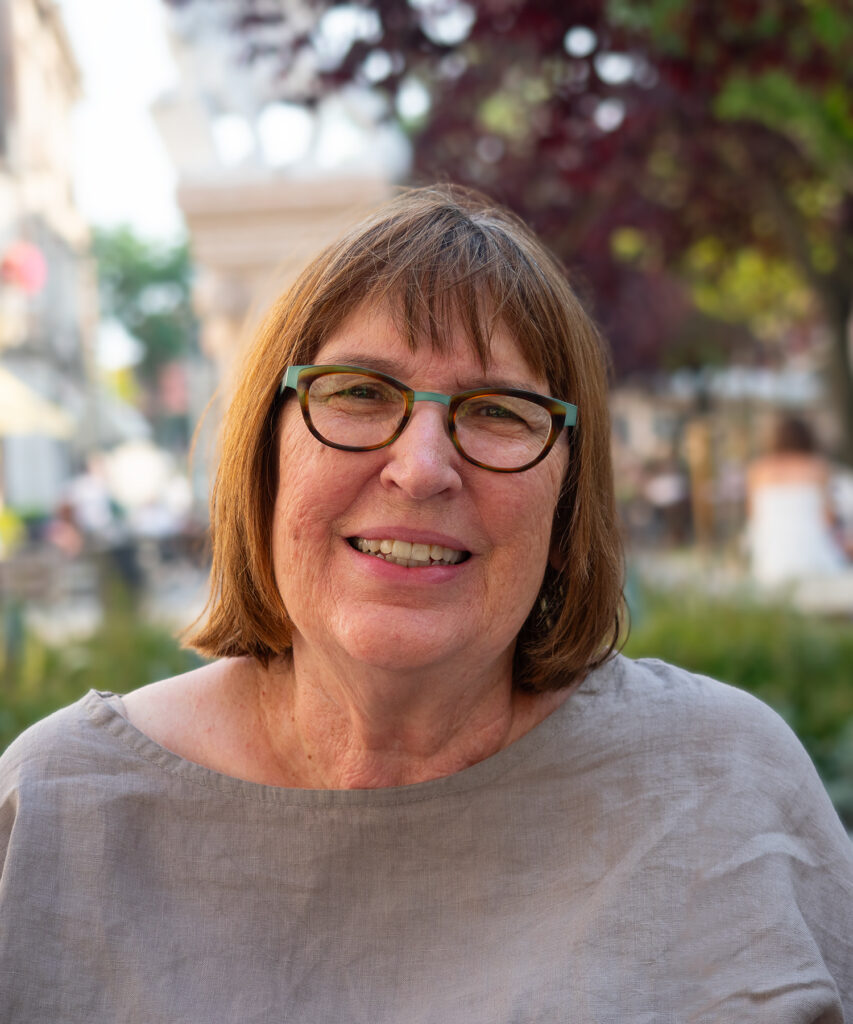
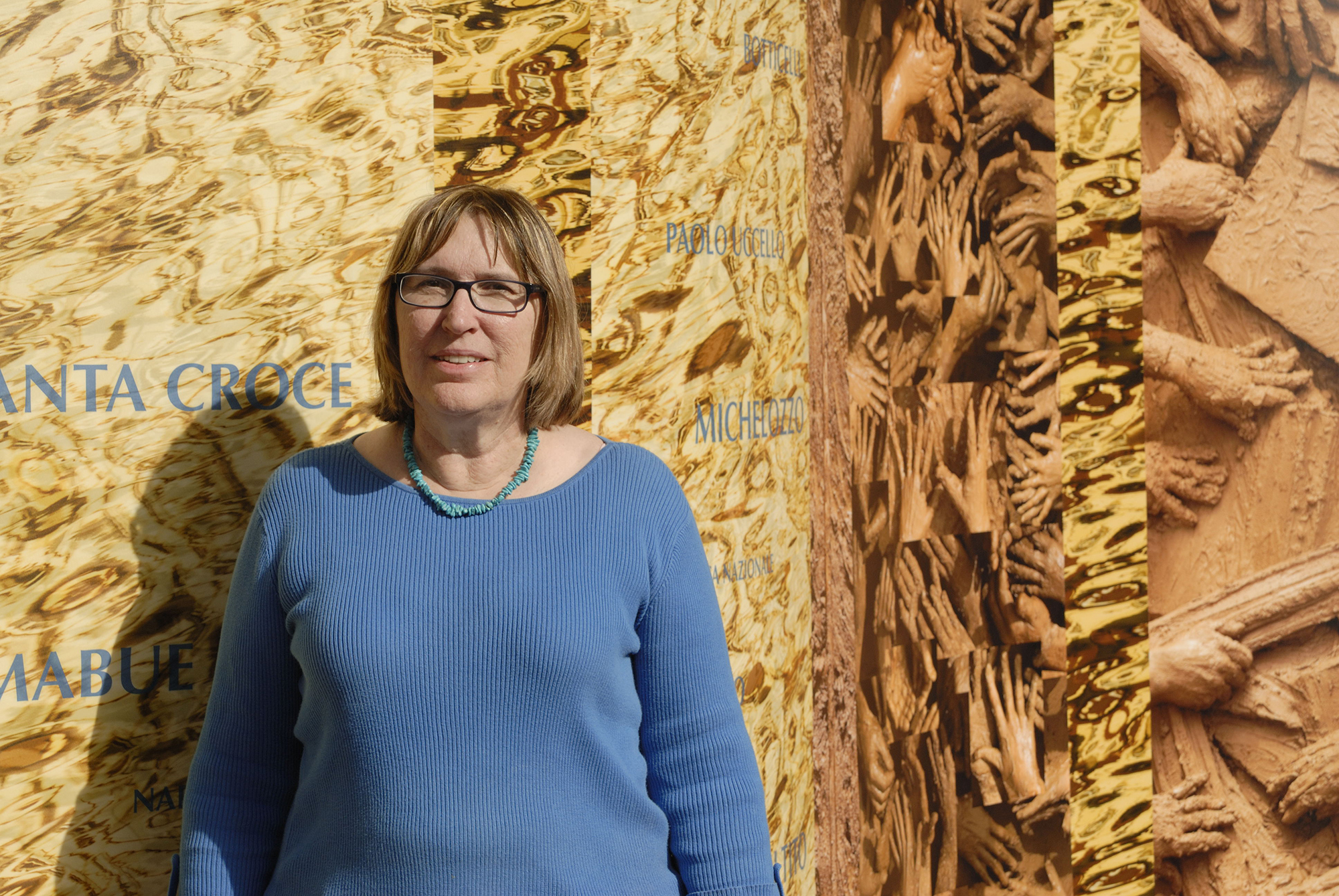
Ellen Murray Meissinger was an artist and educator who touched the lives of countless students, colleagues, and friends.
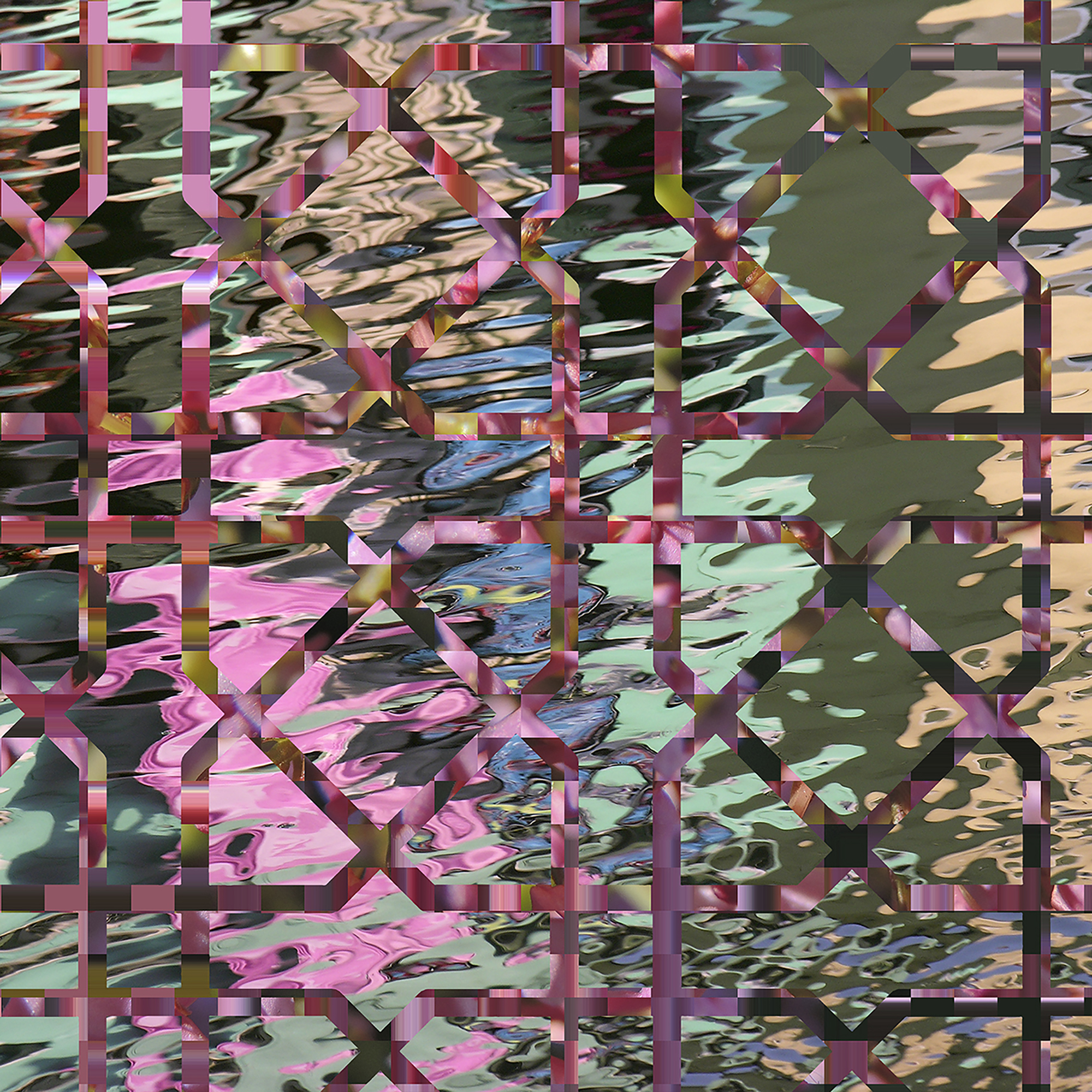
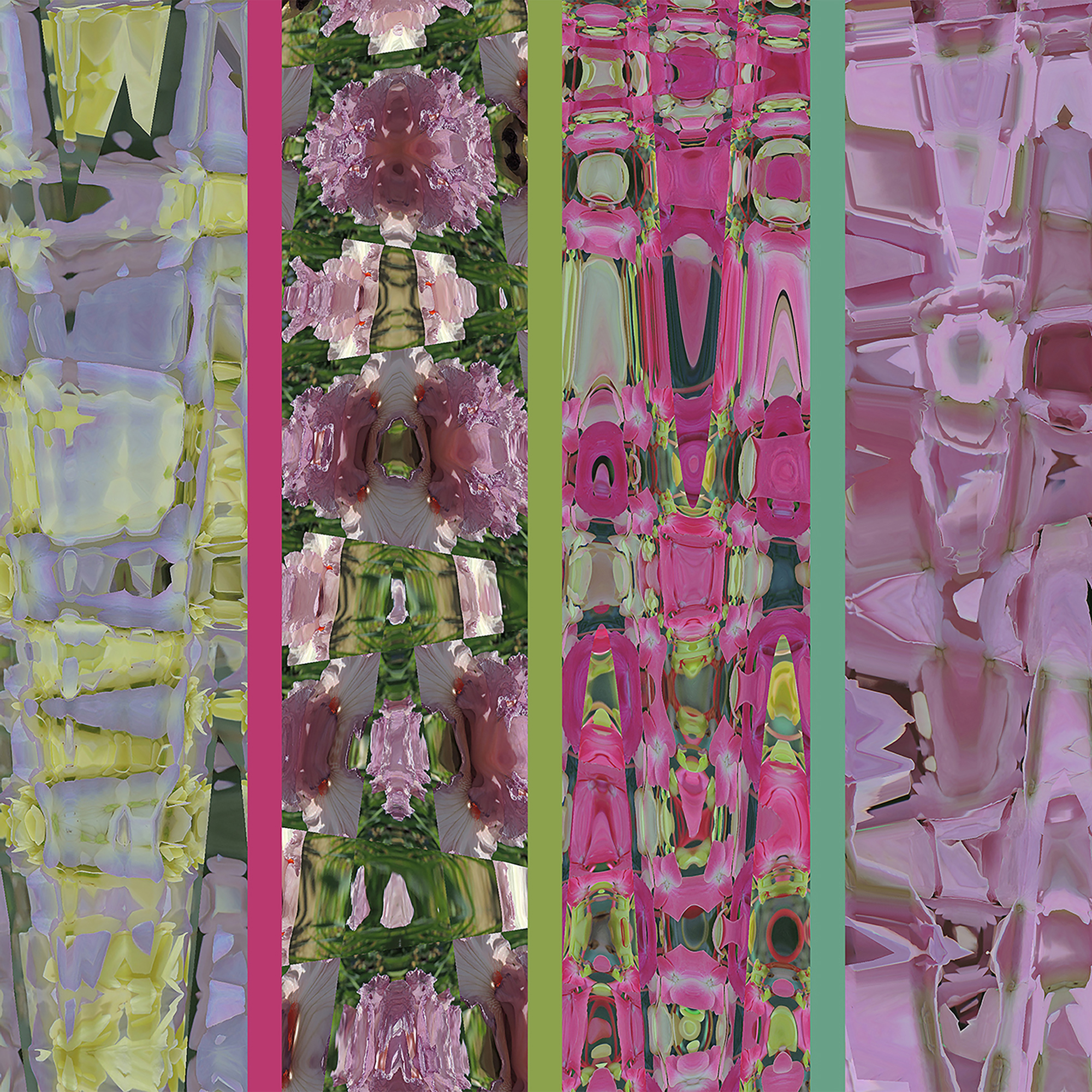
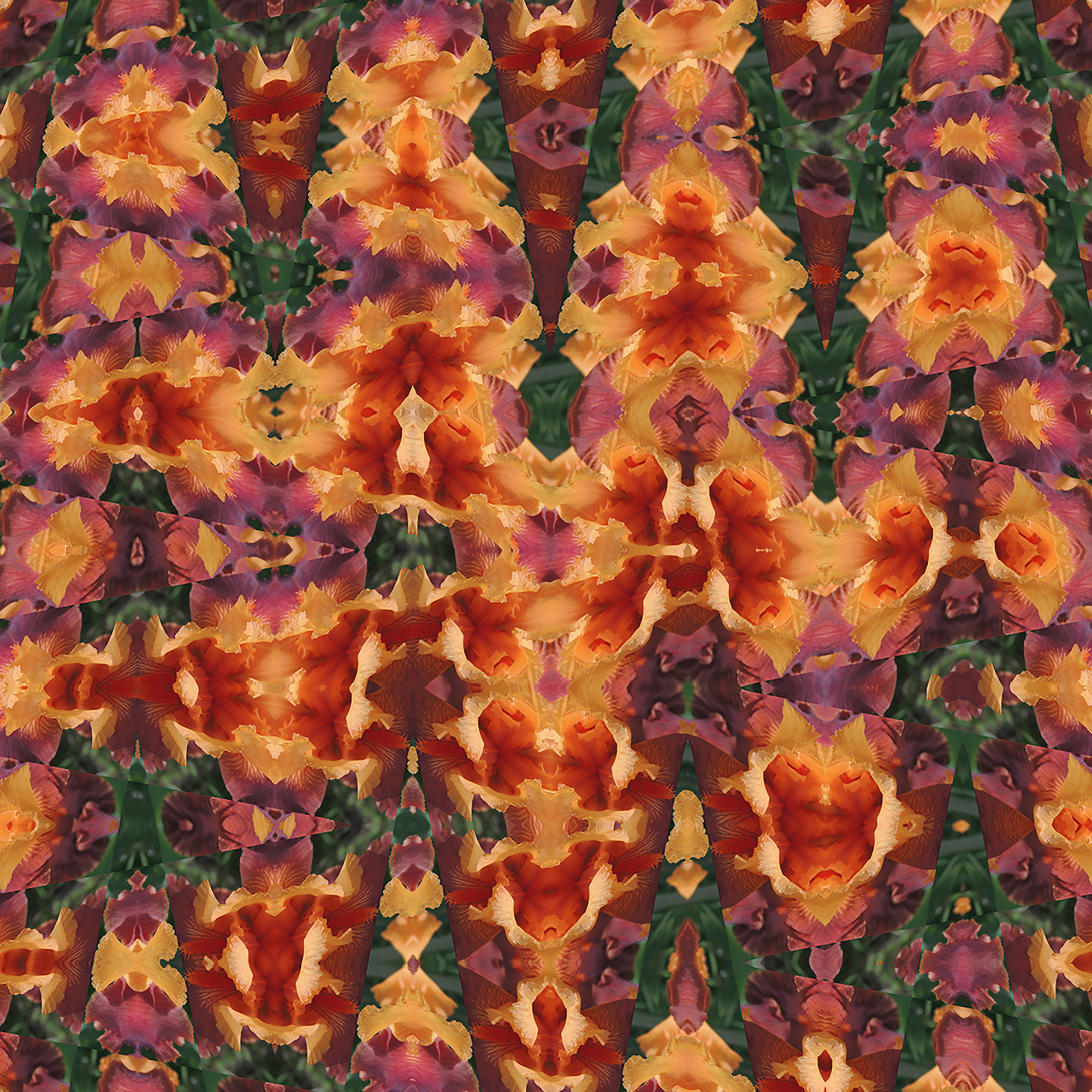
View a Collection of Ellen’s Work


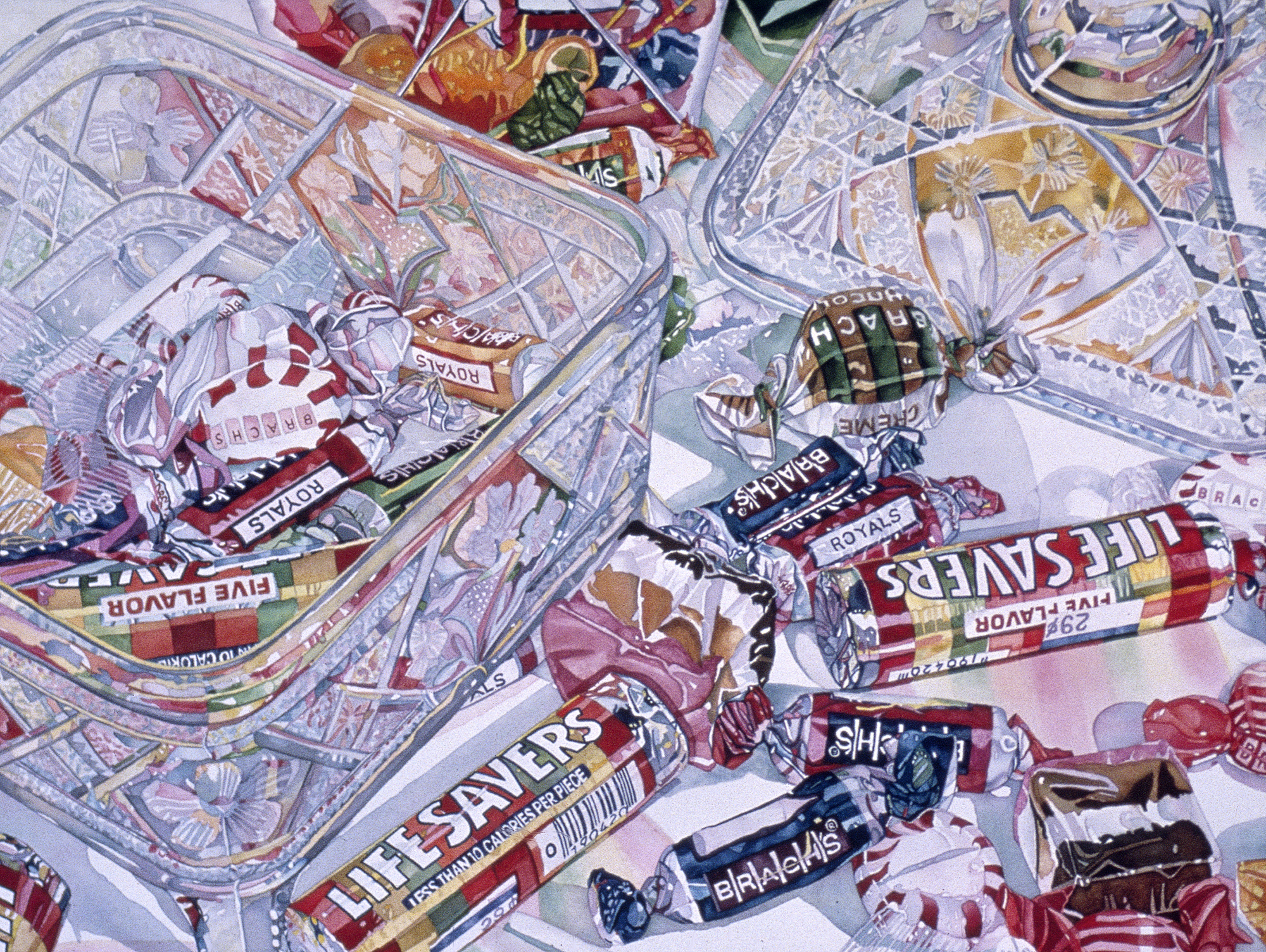



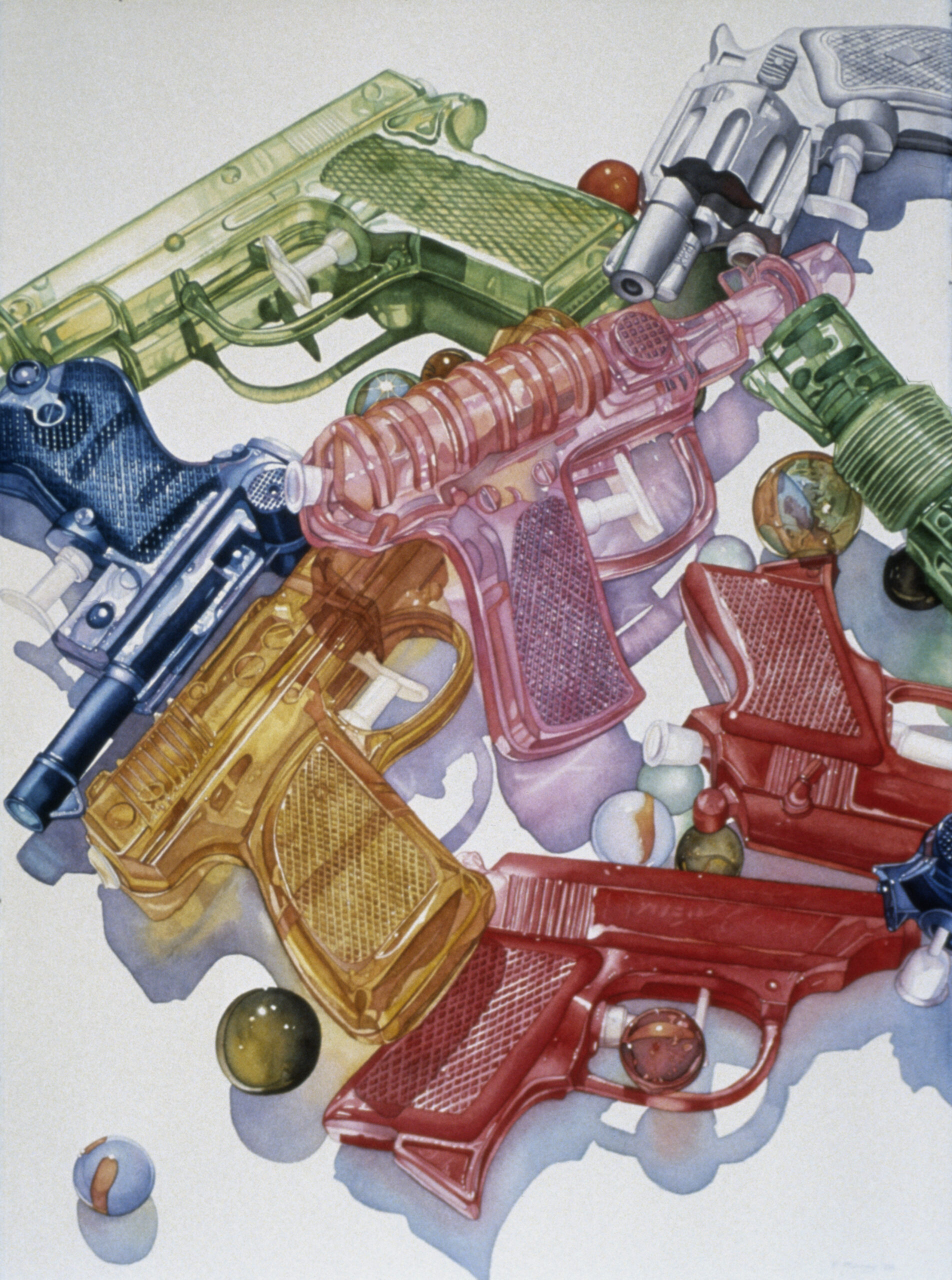
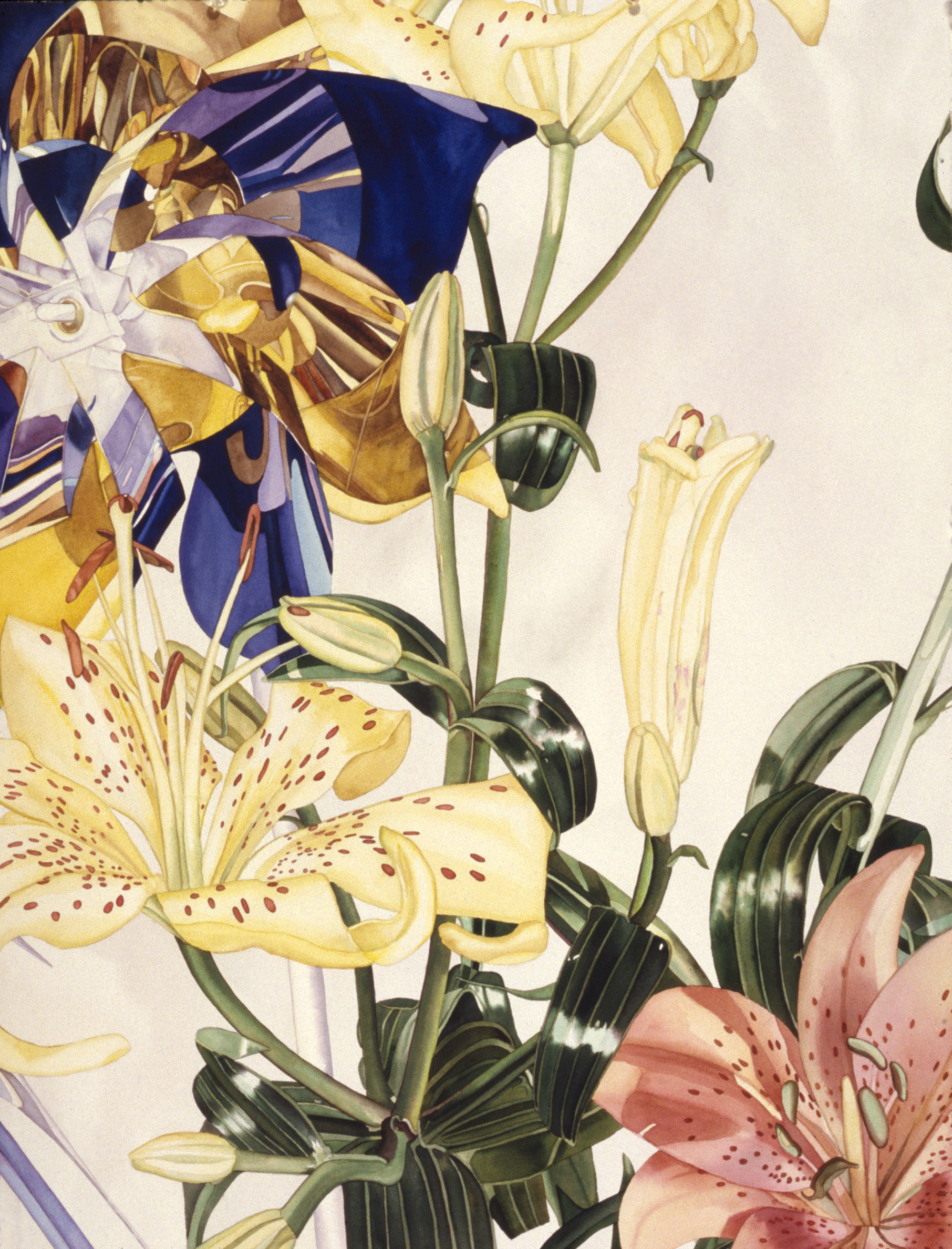
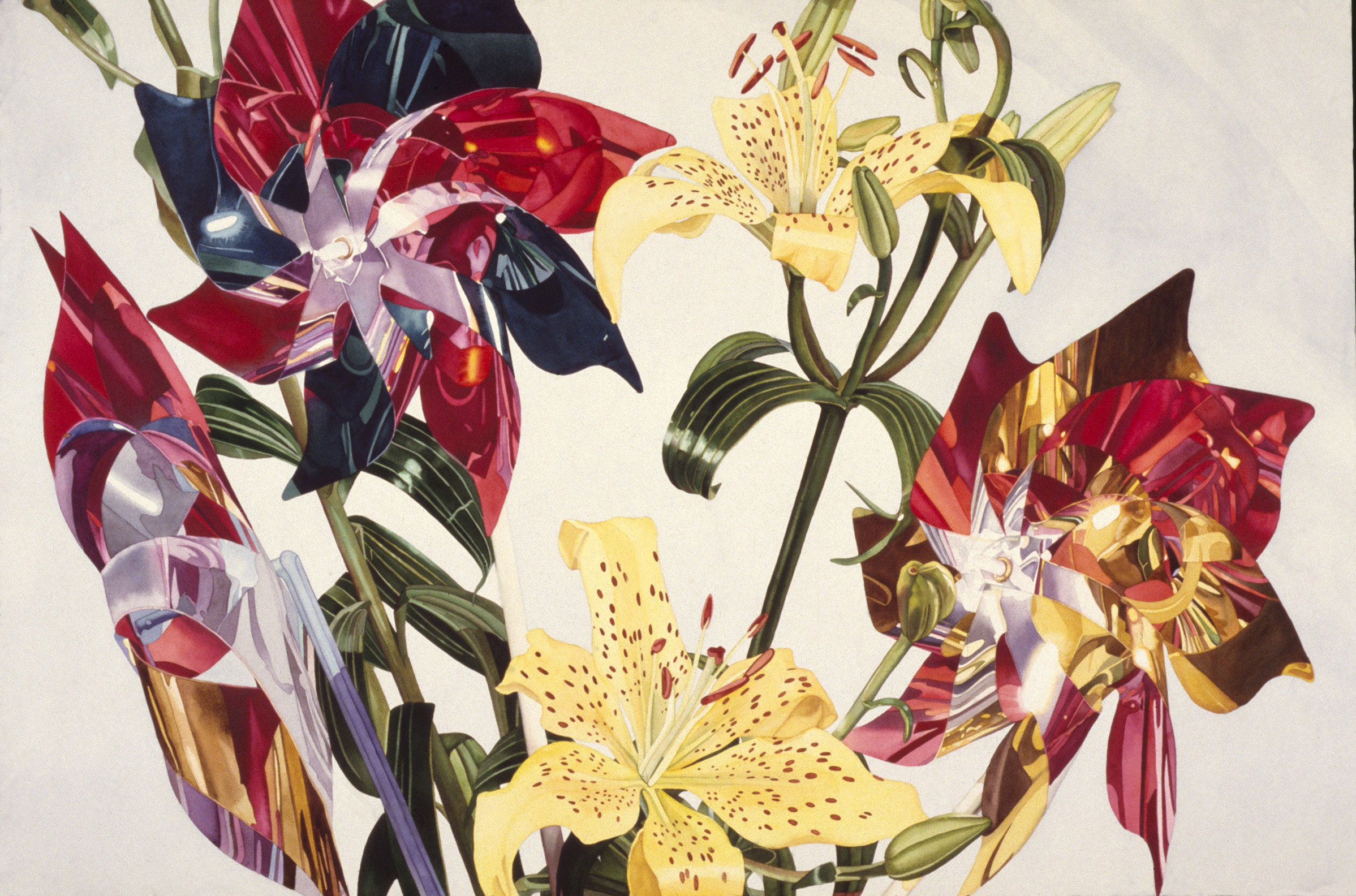
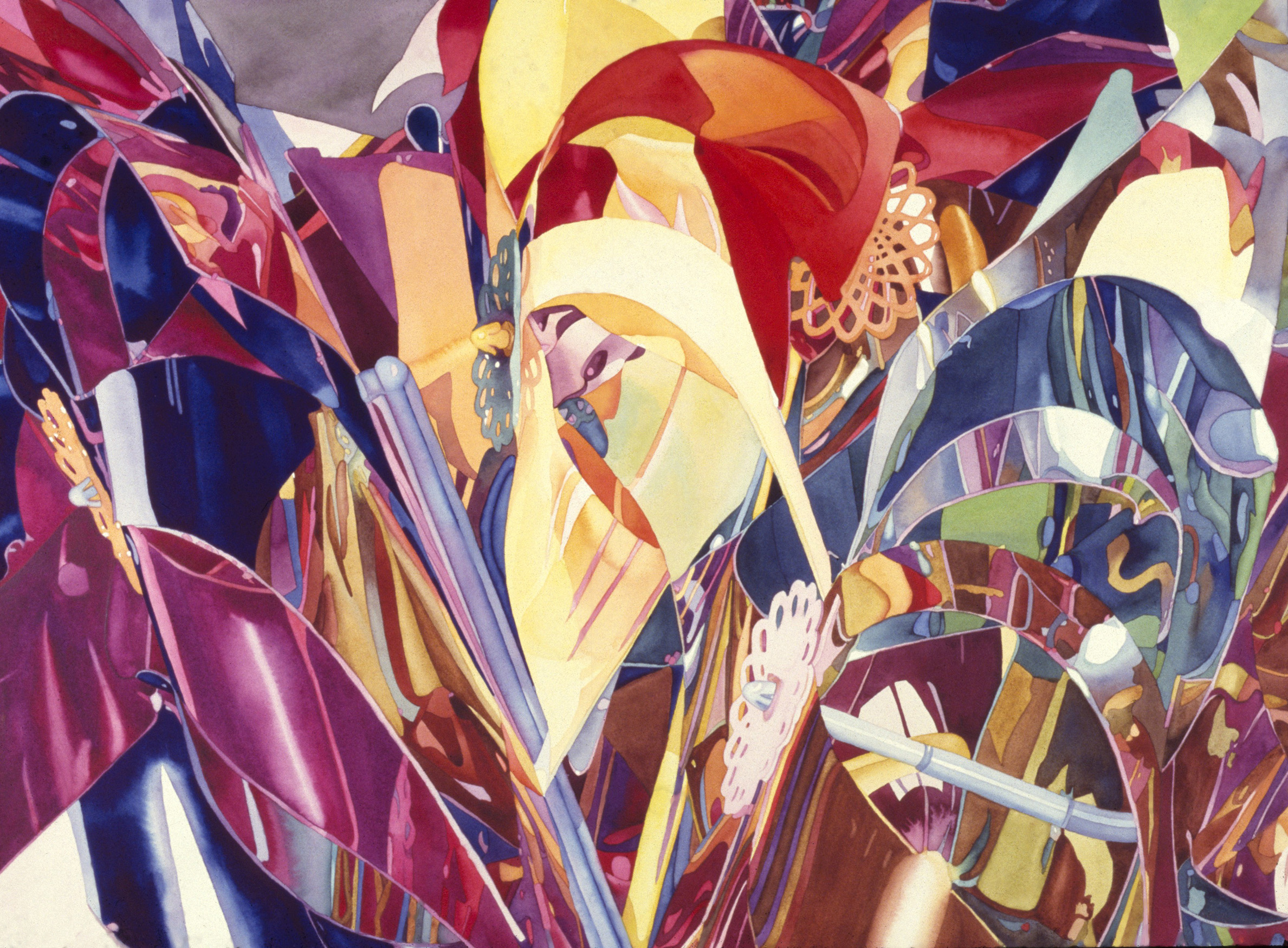
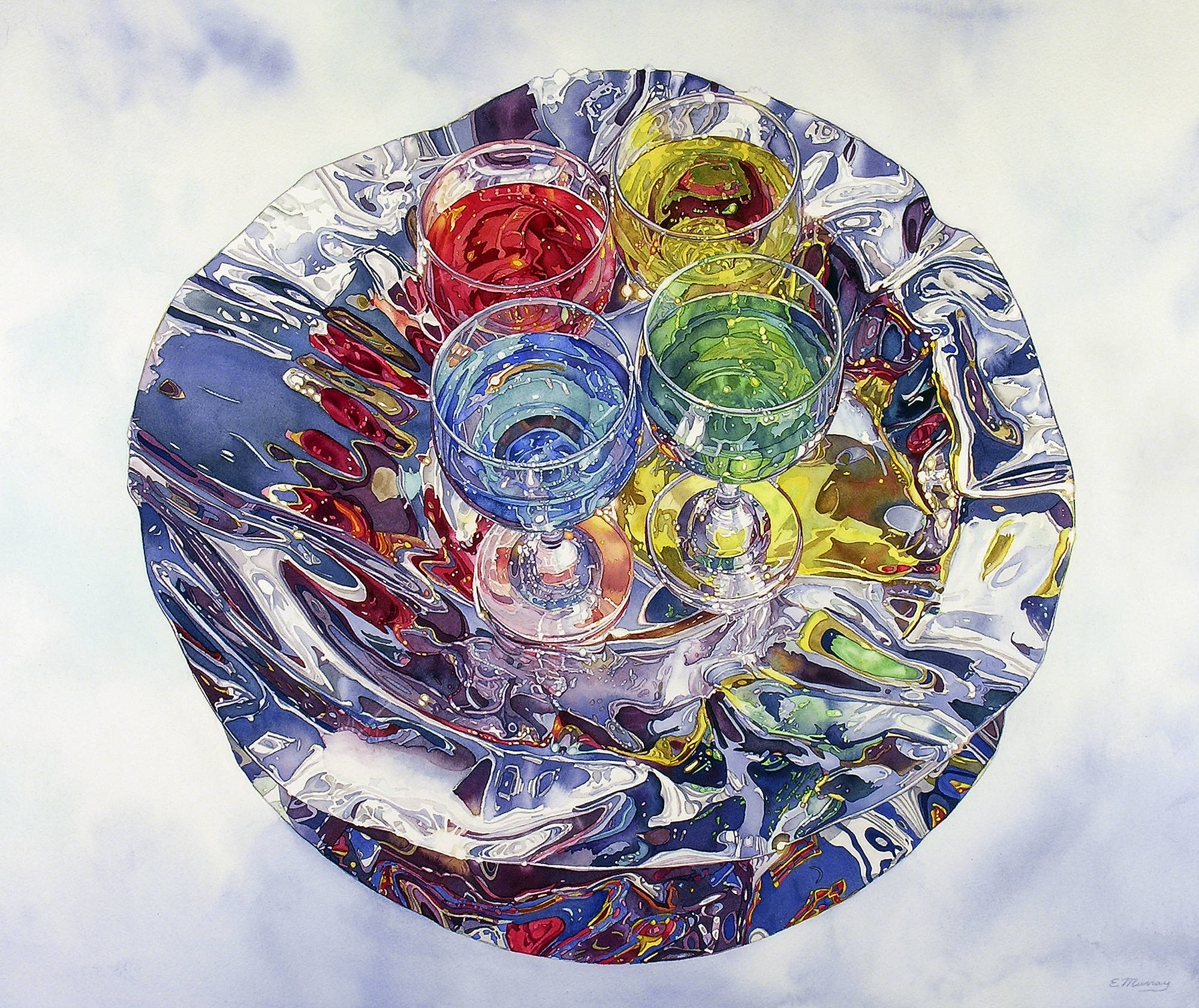
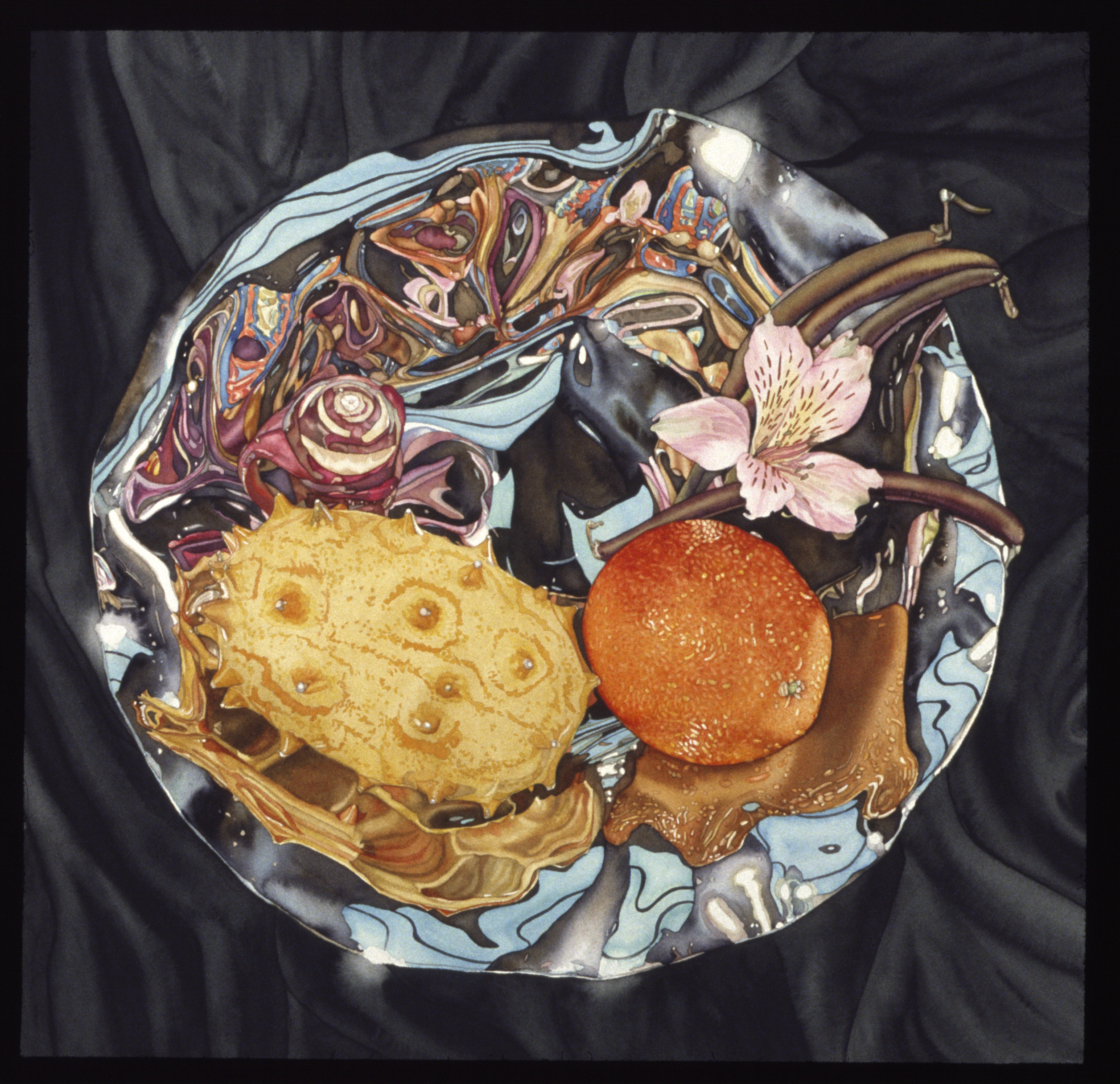
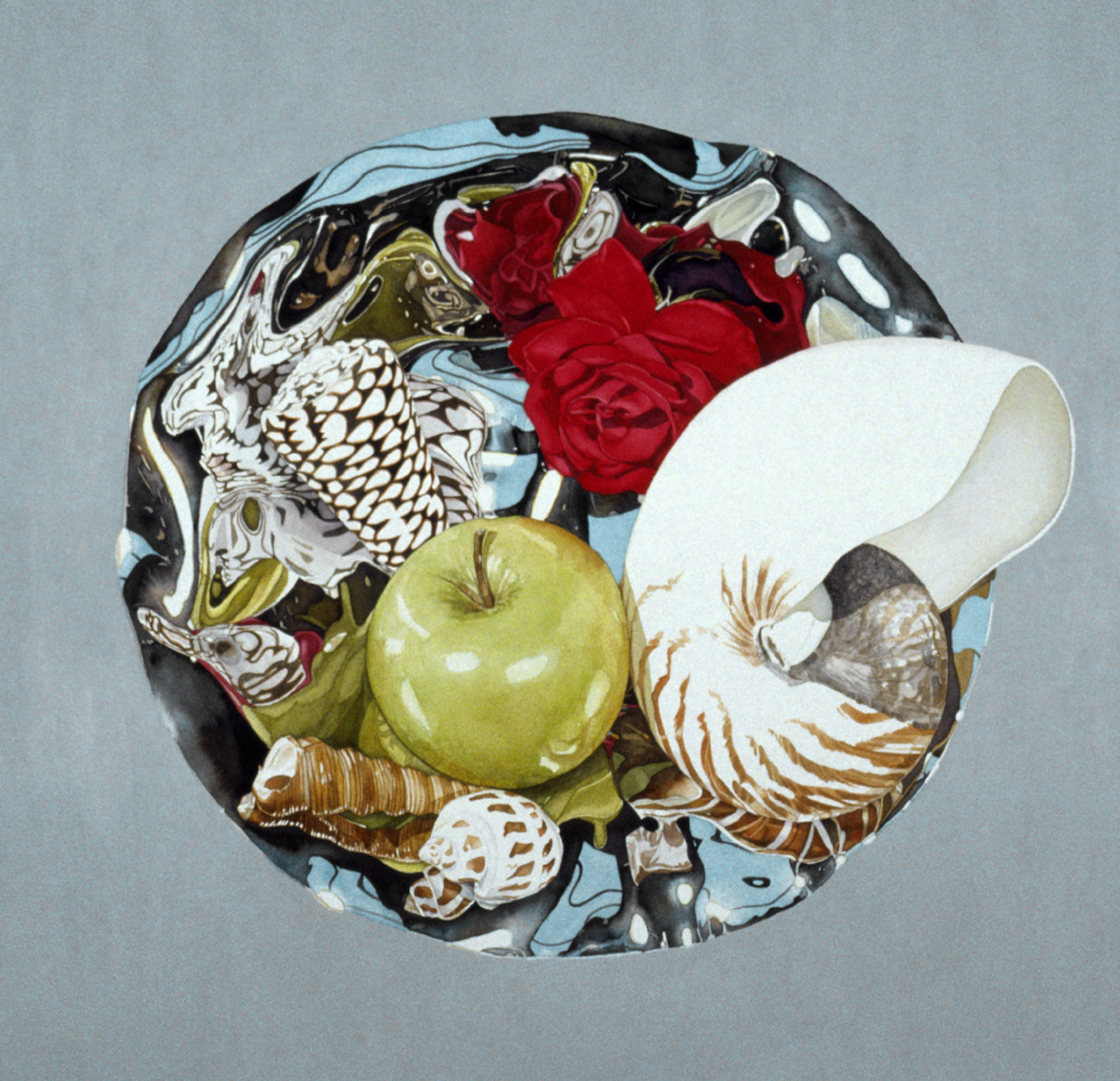
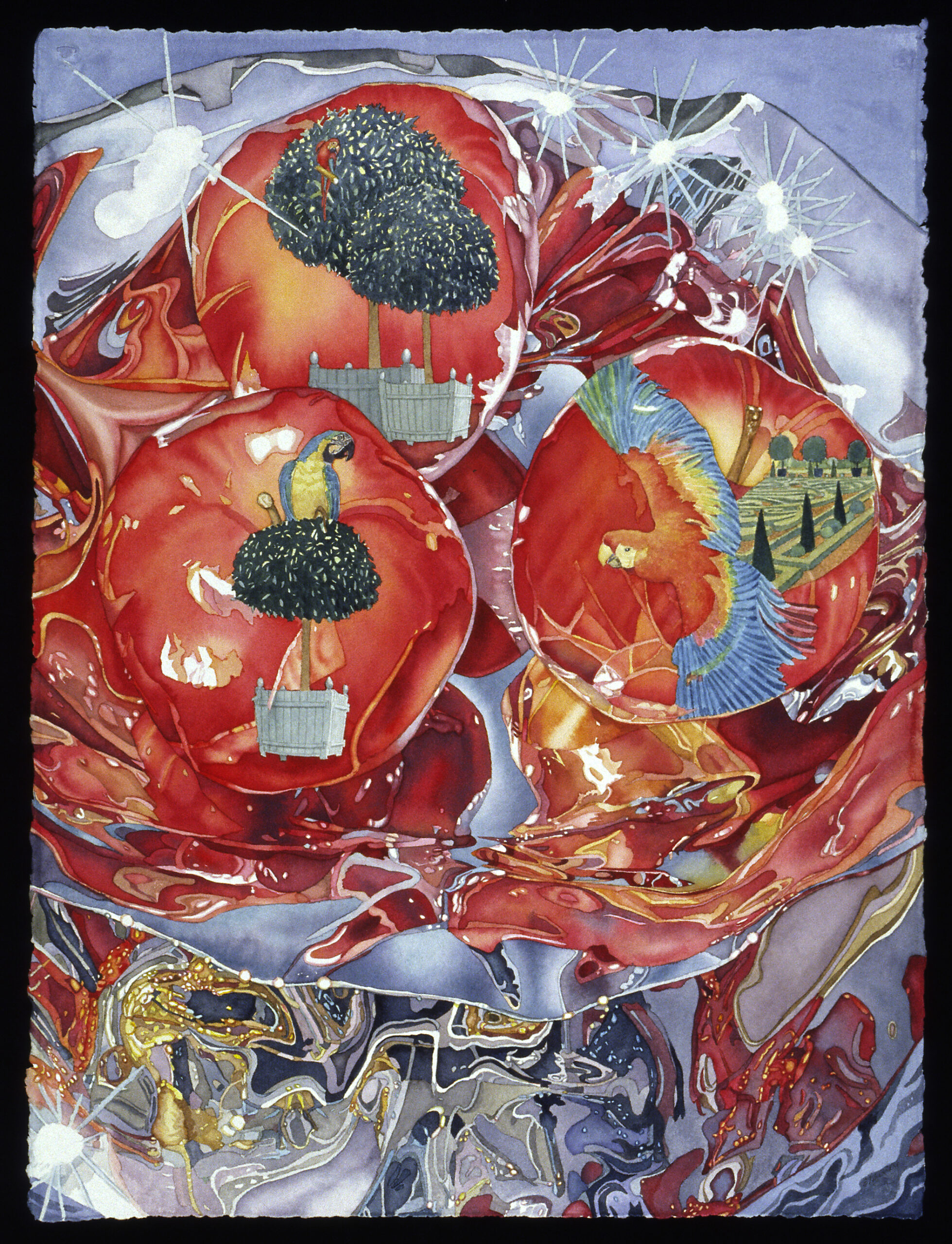
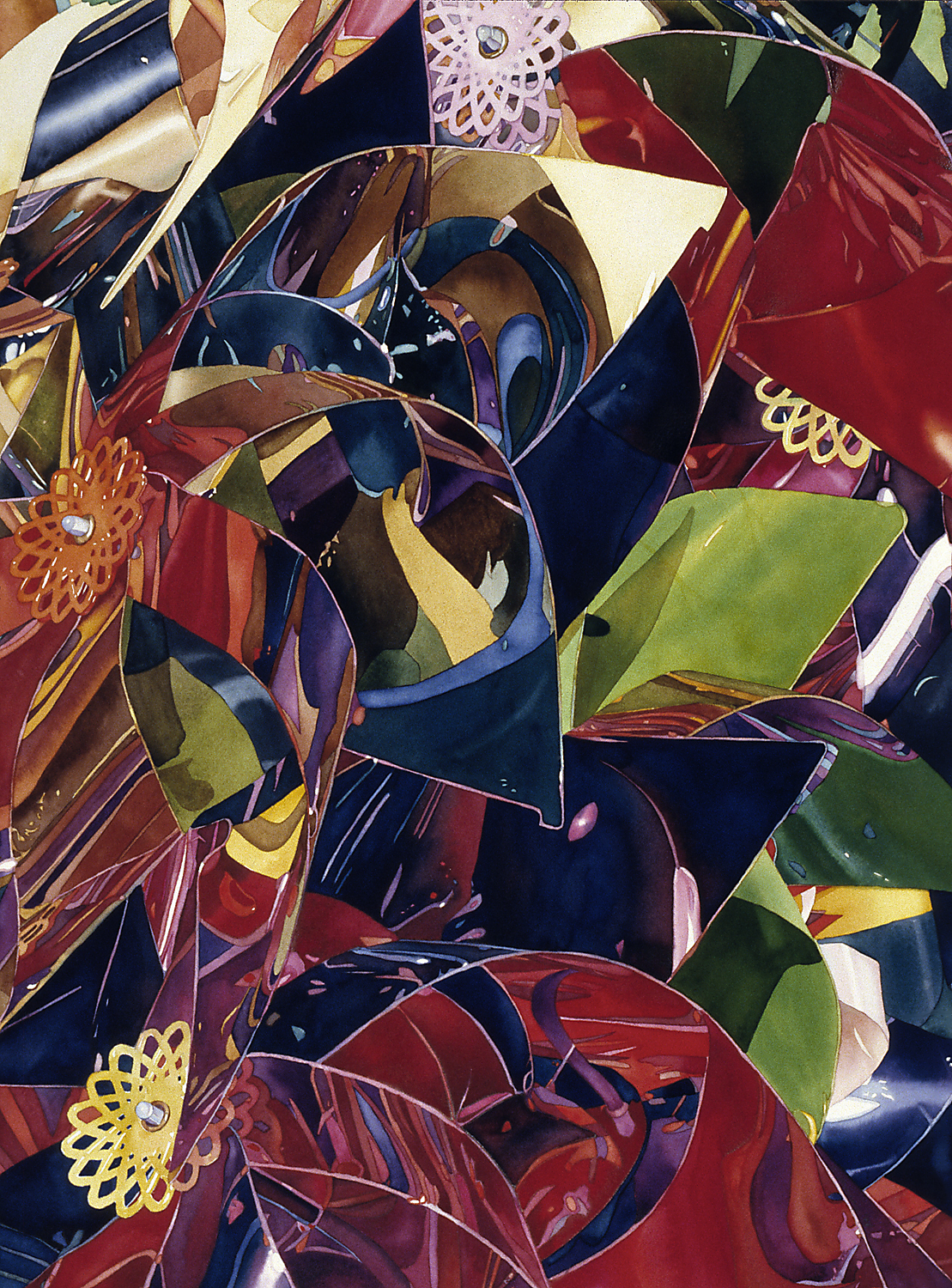
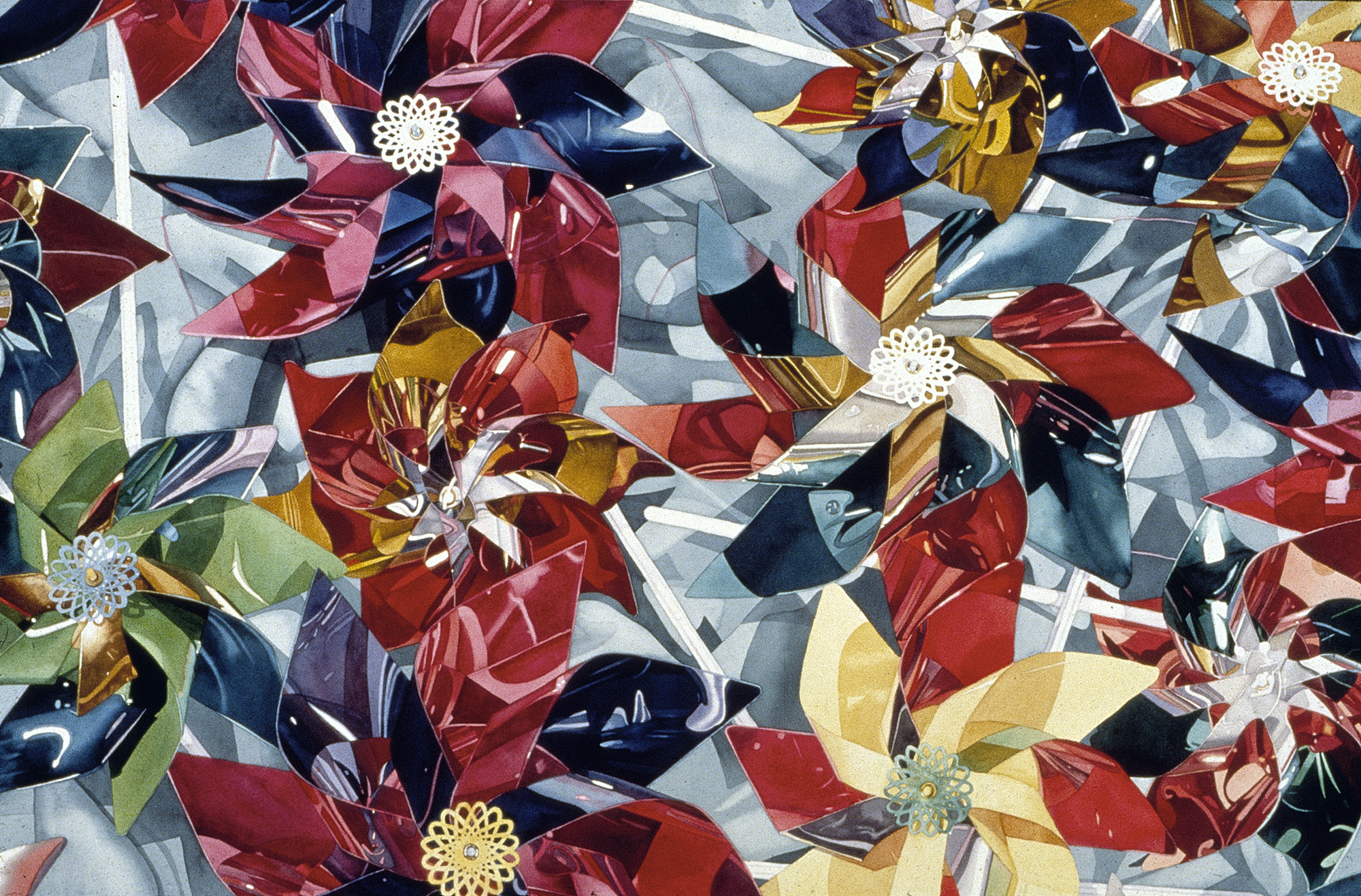
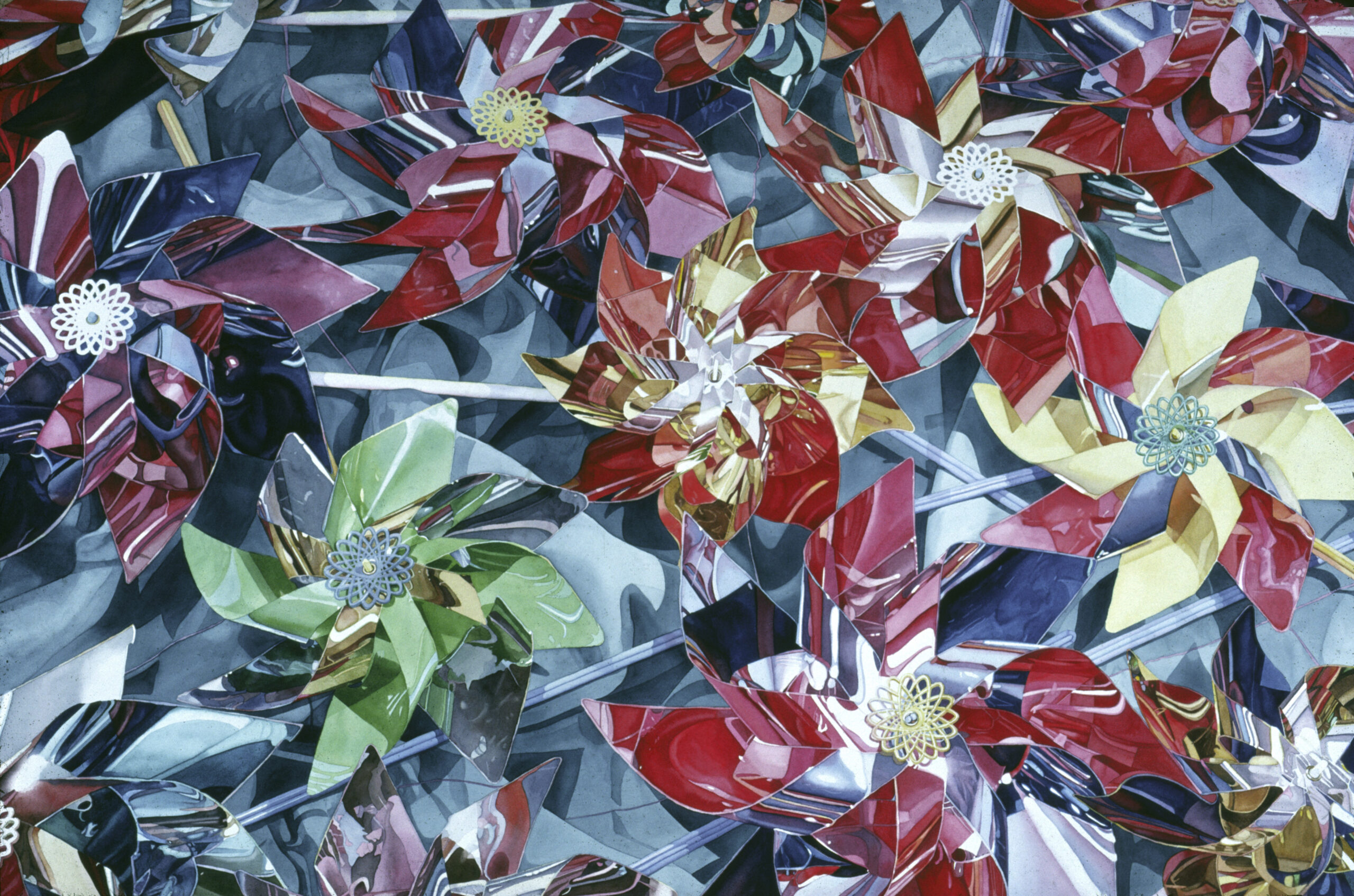
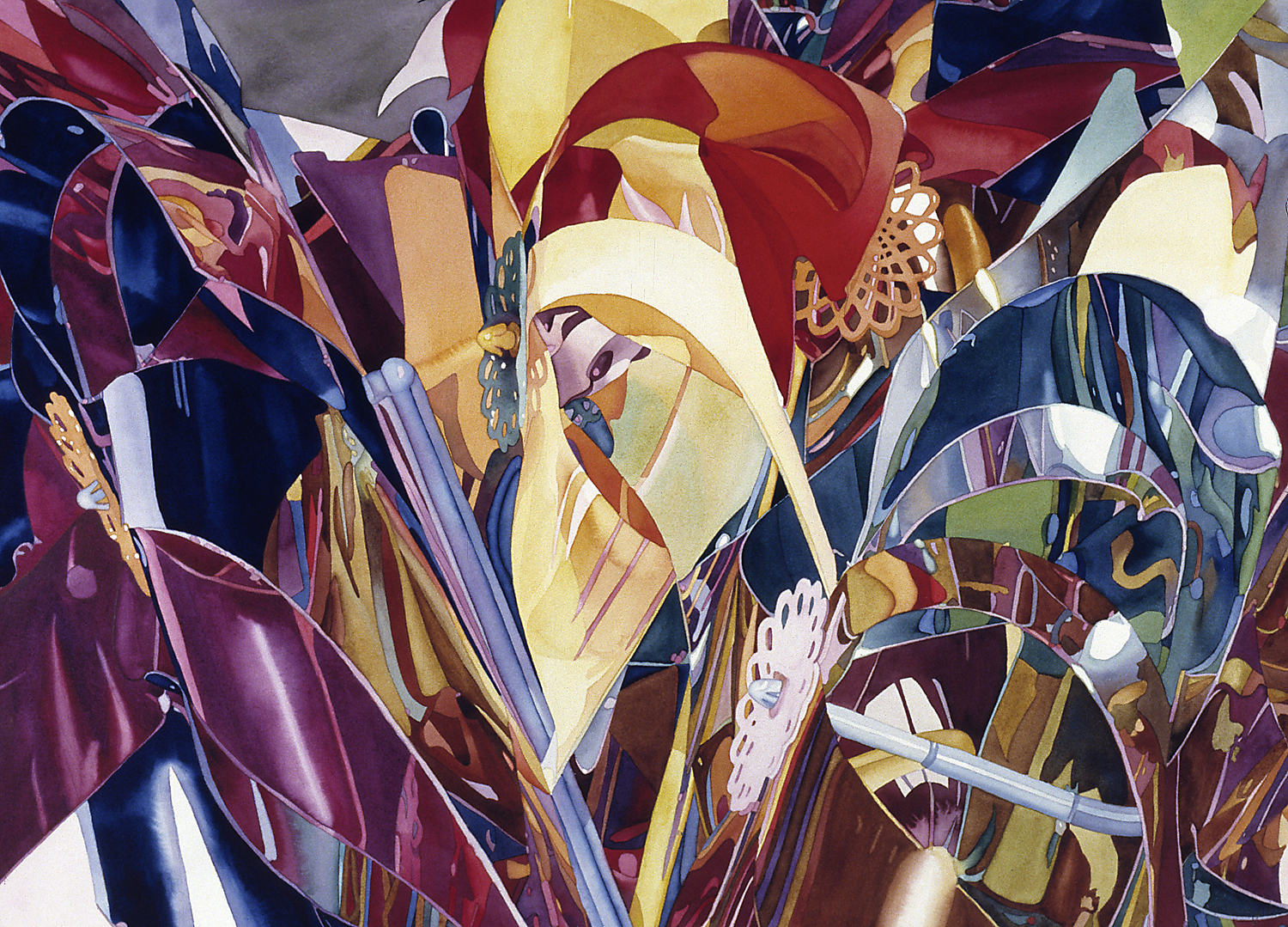
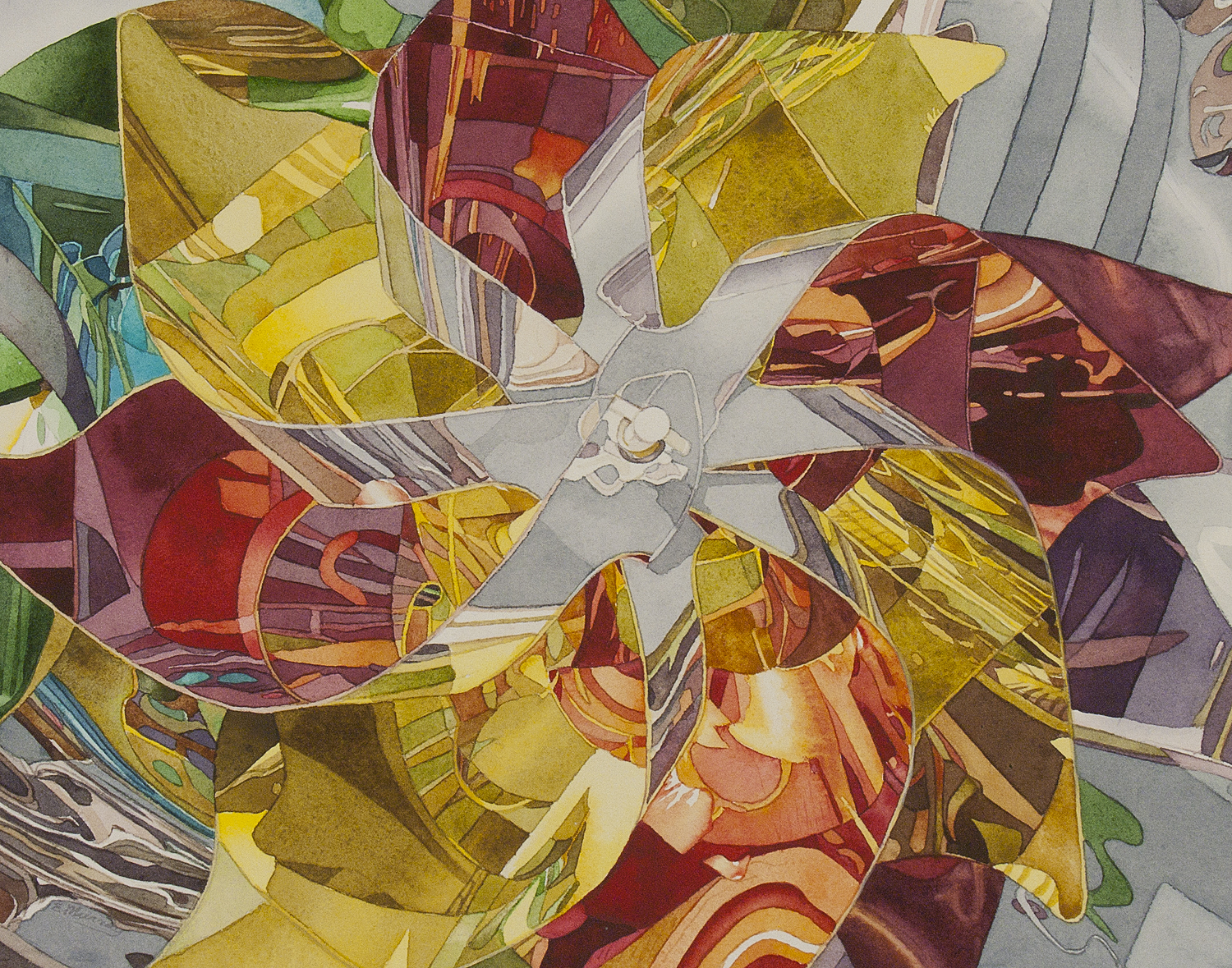
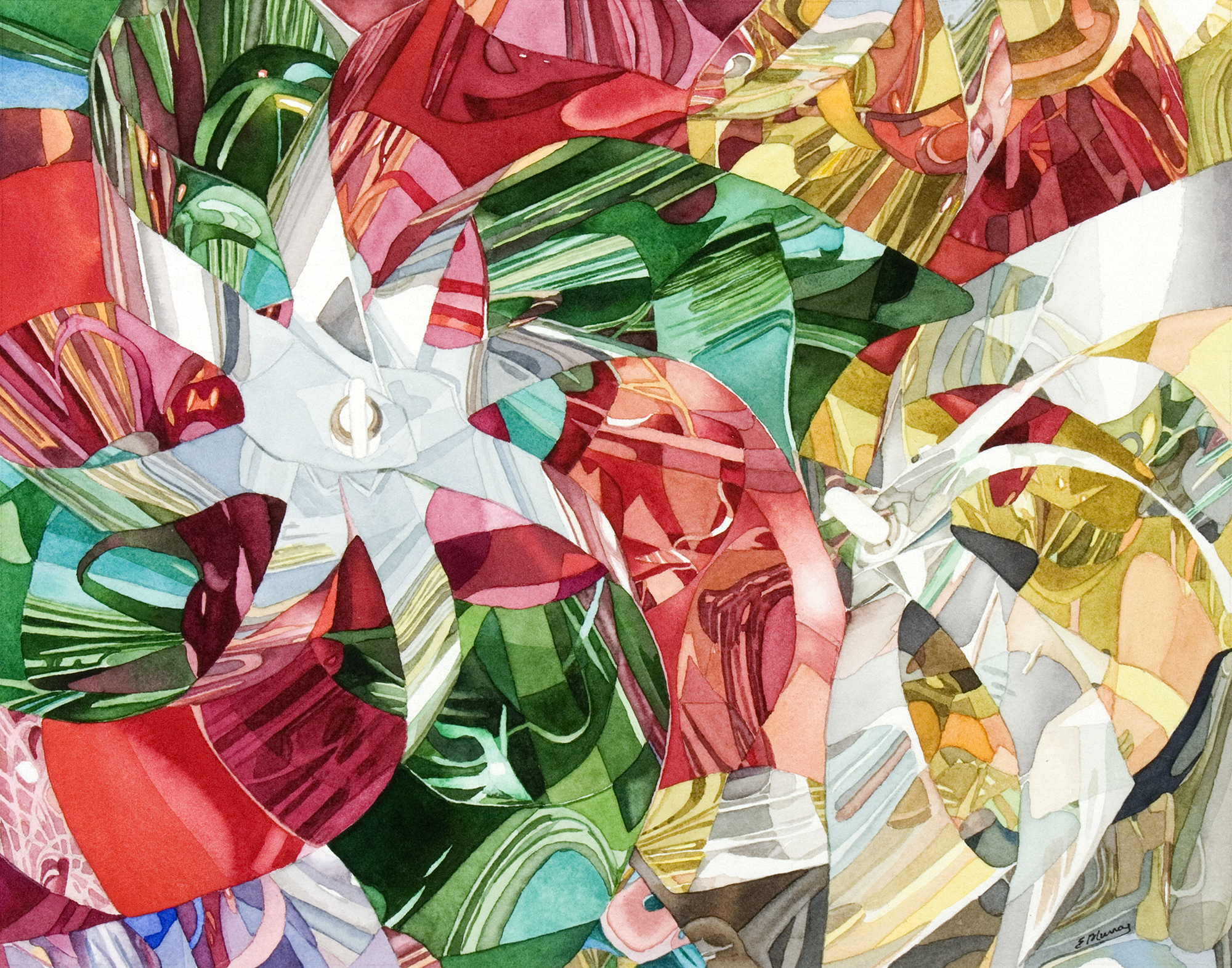

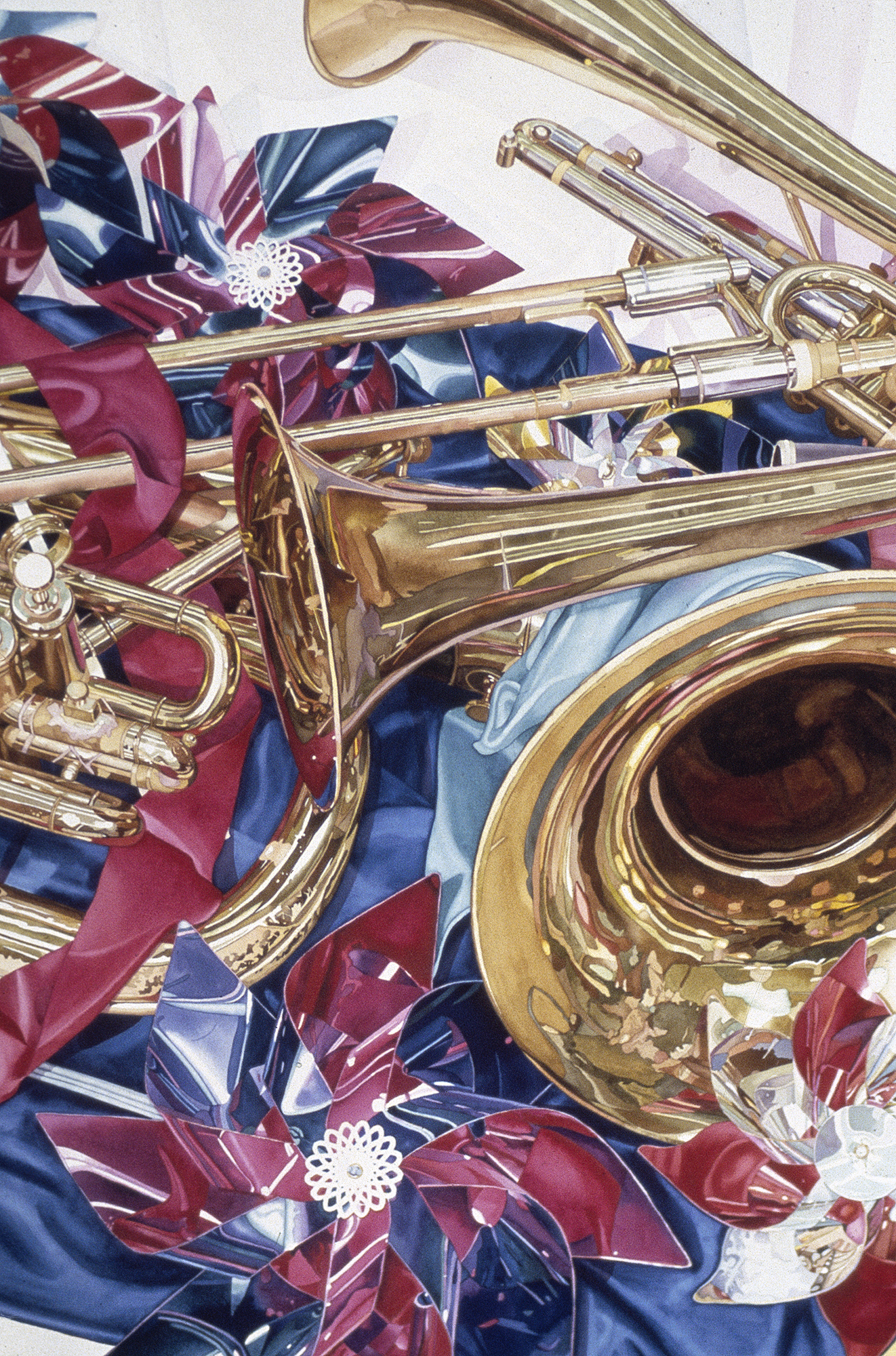
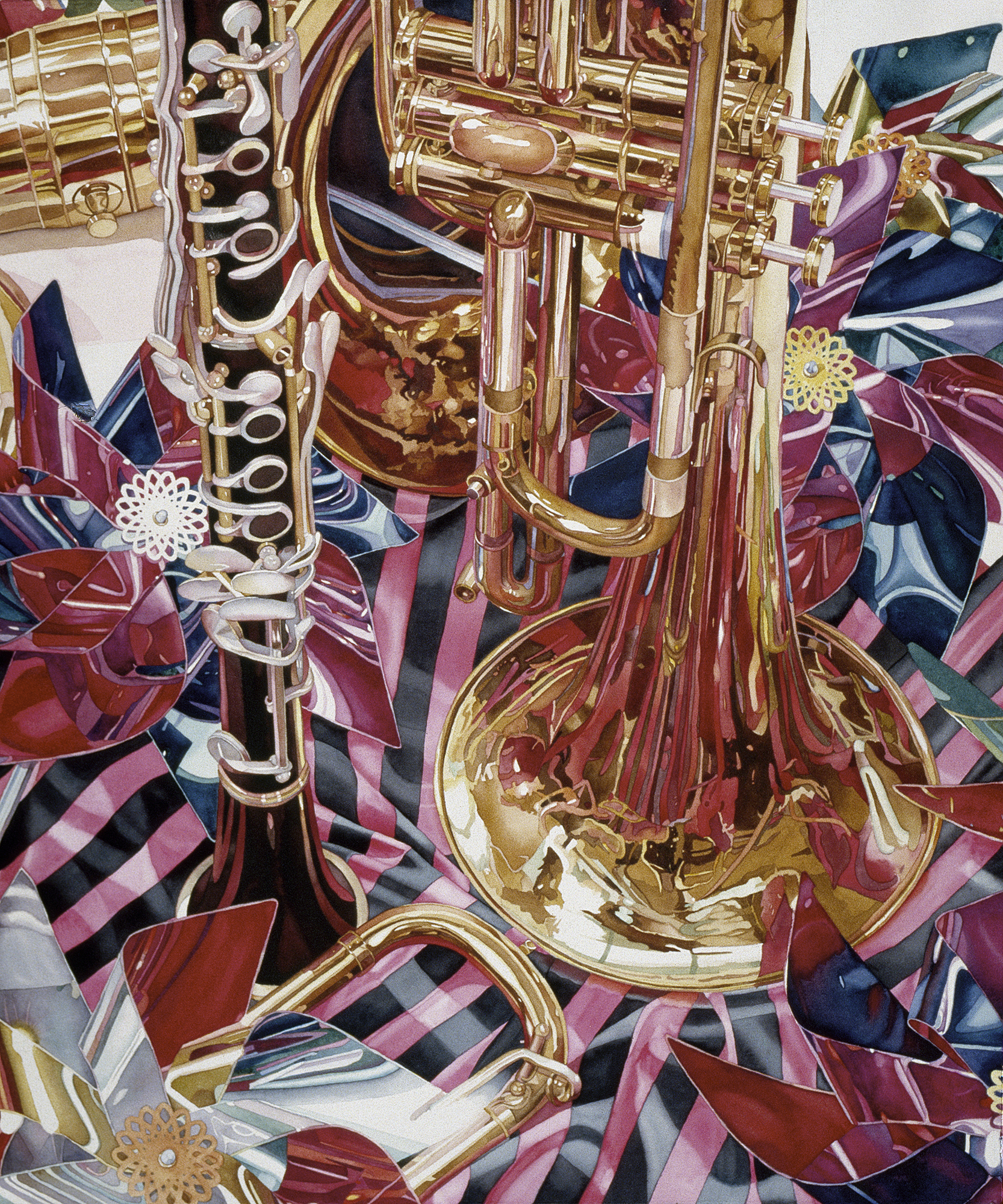
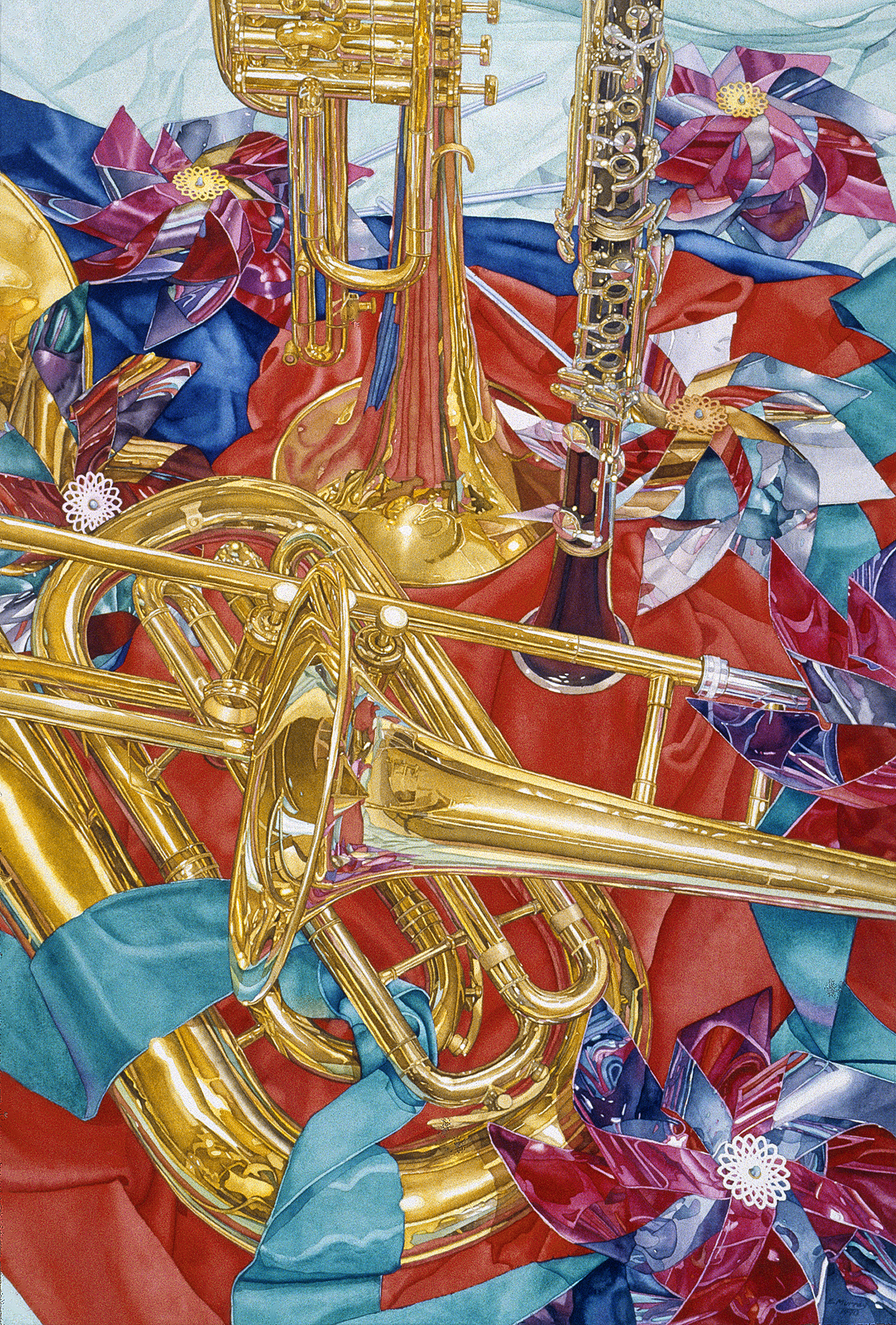
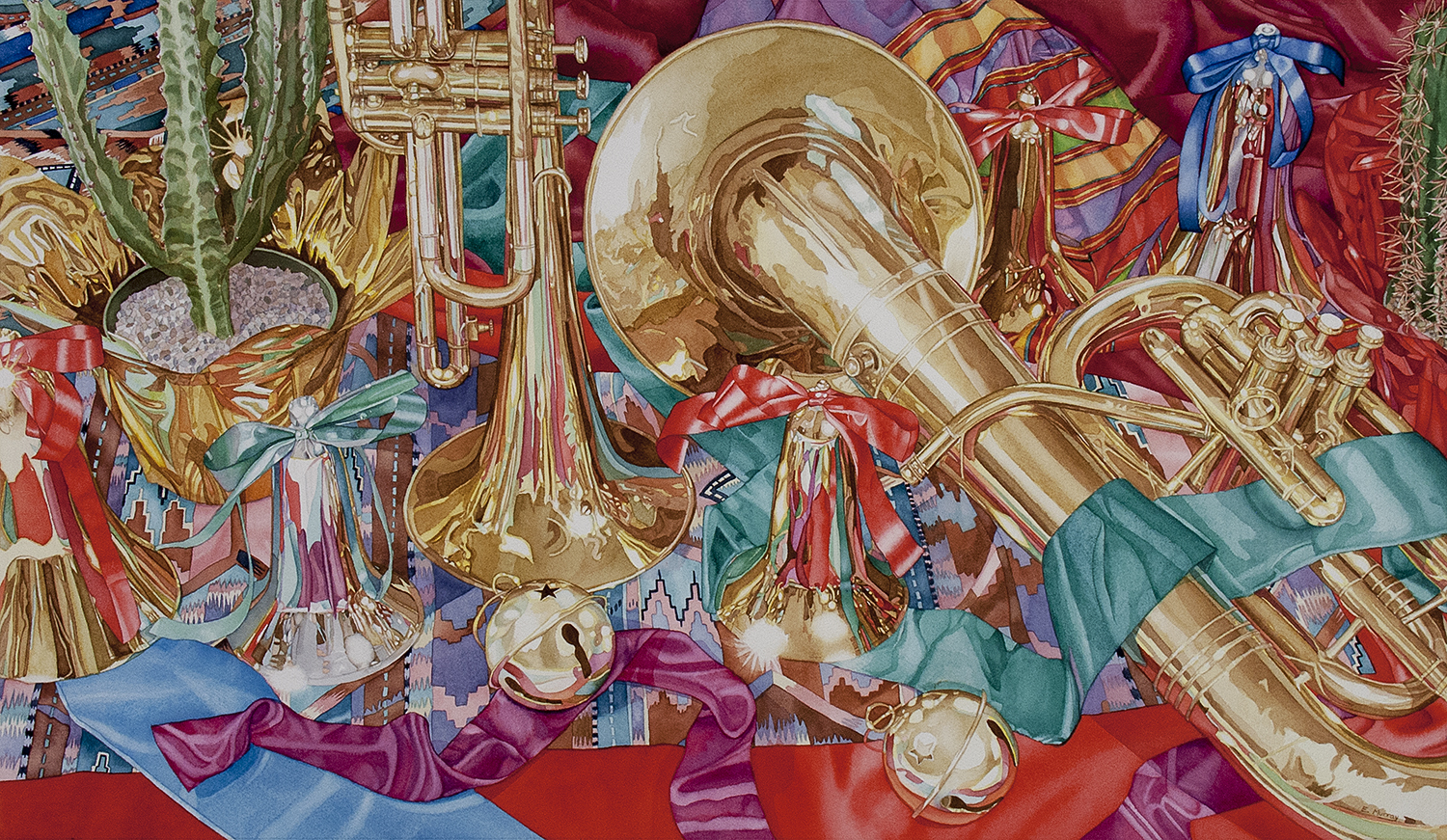
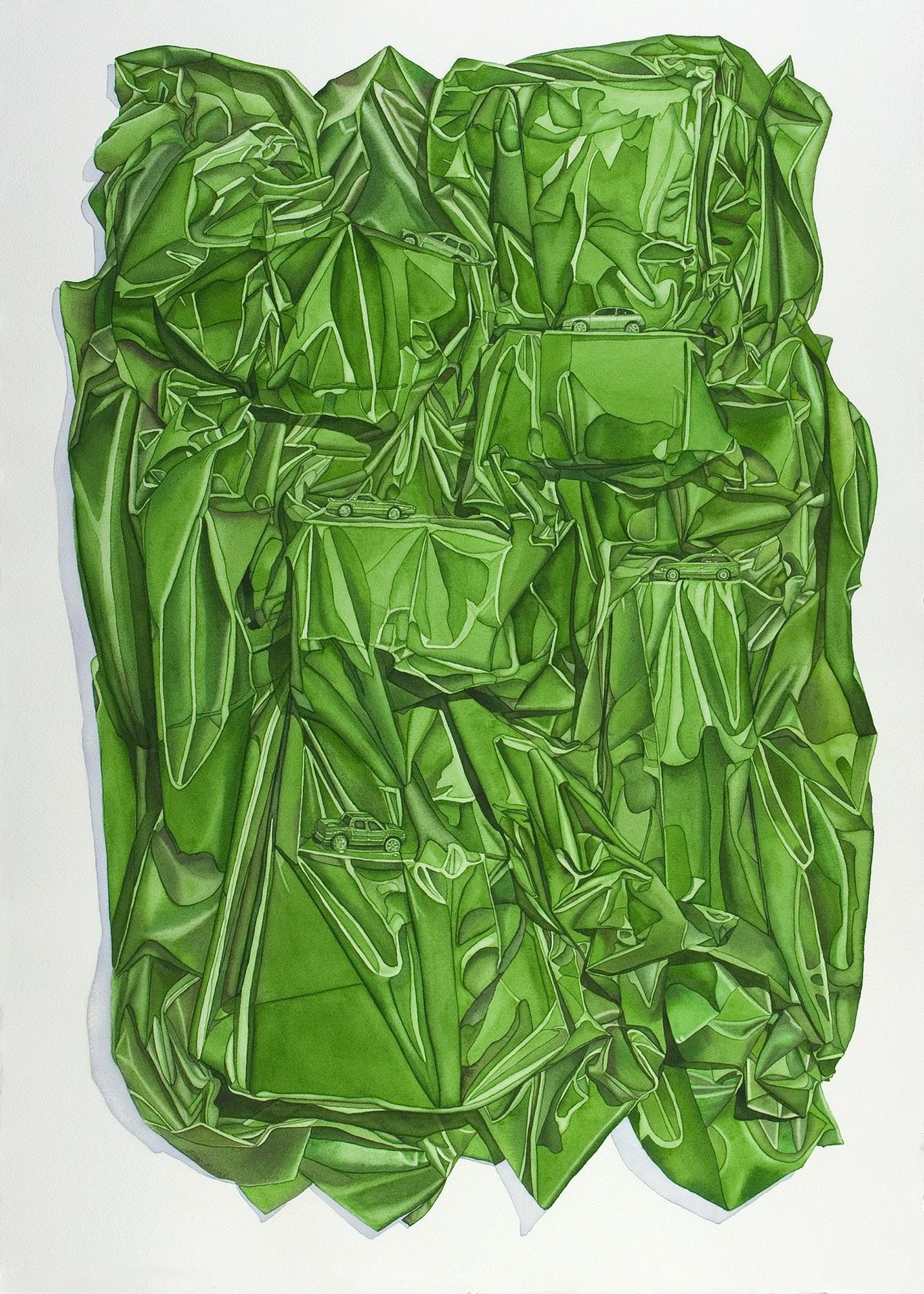
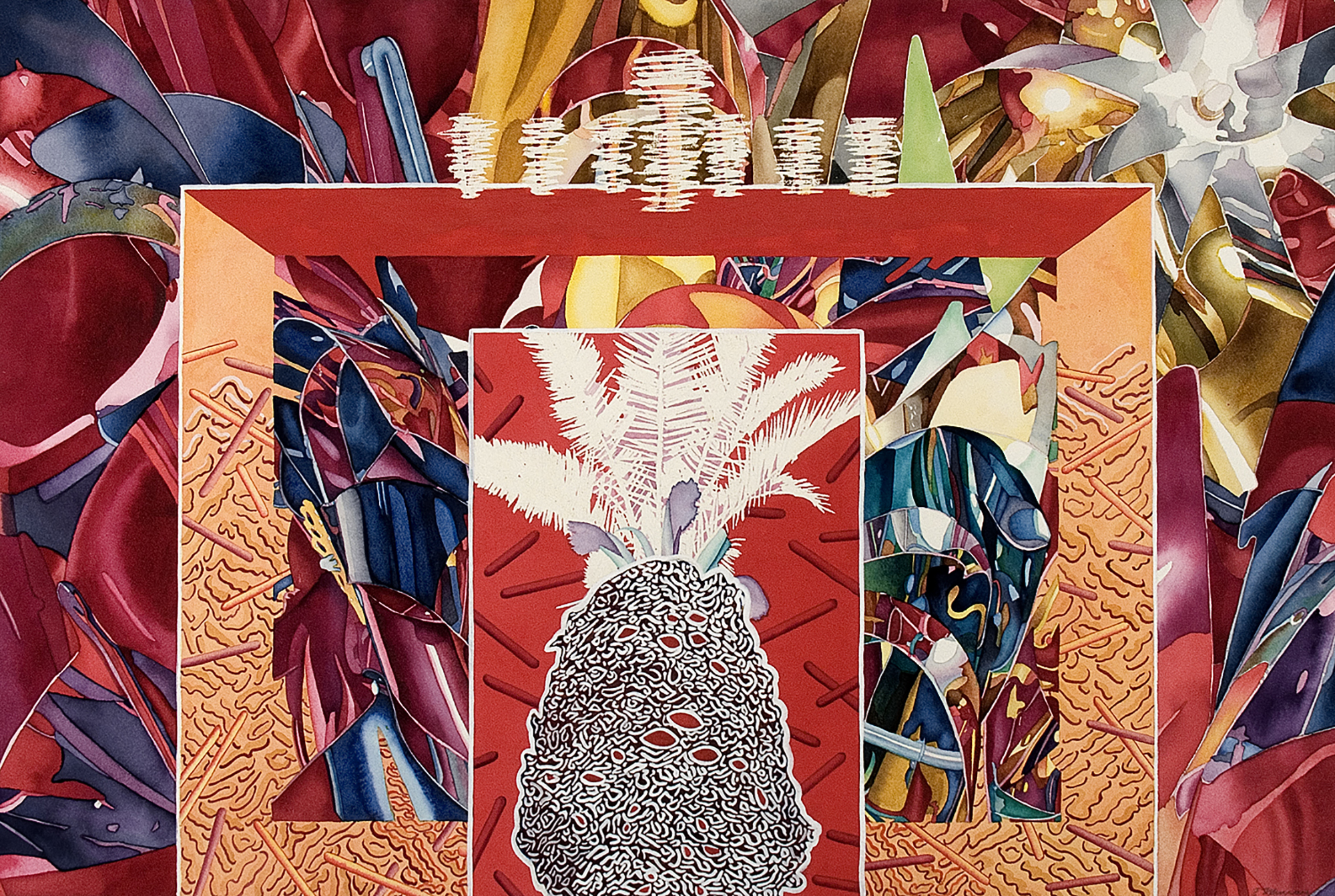
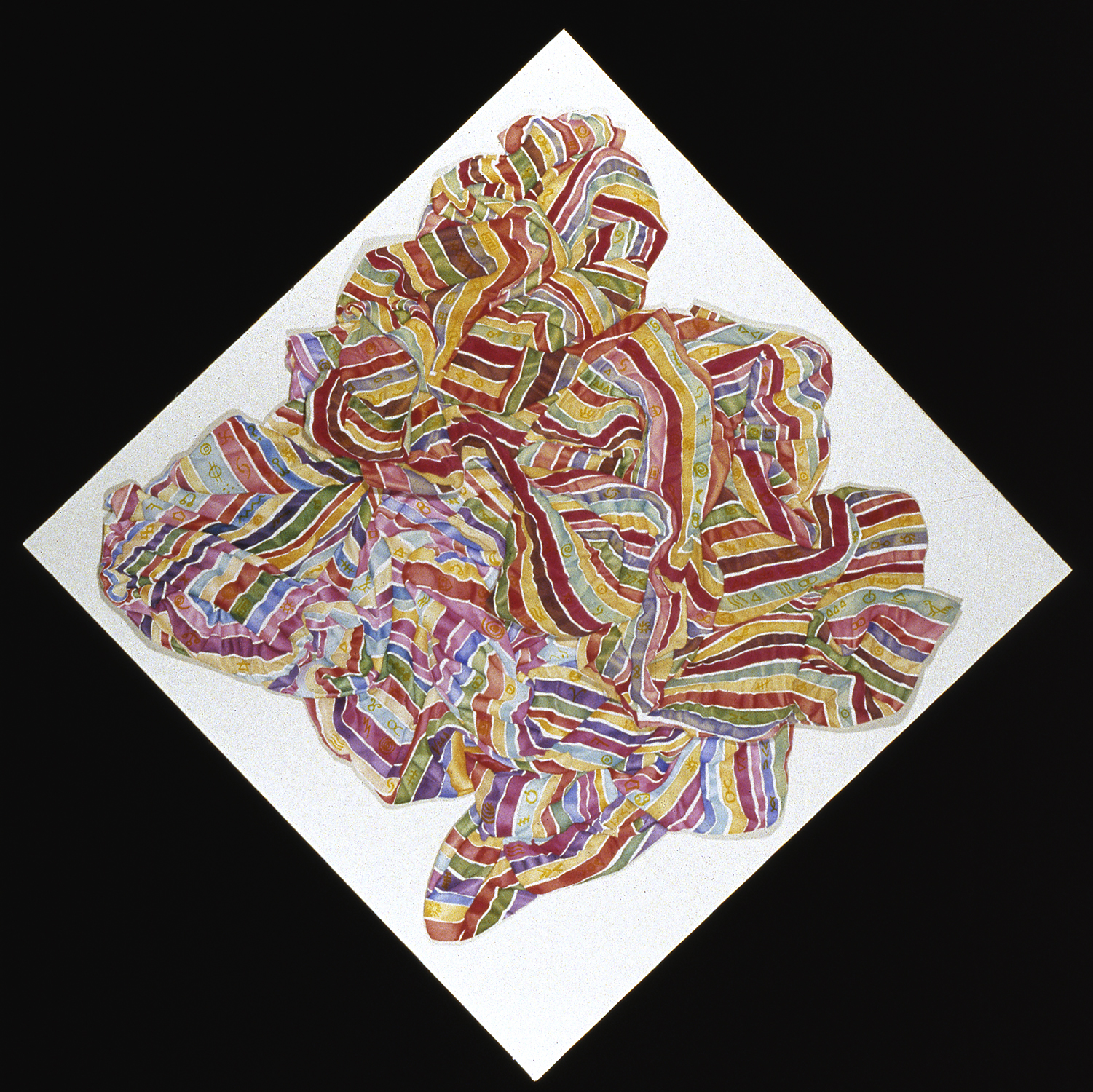
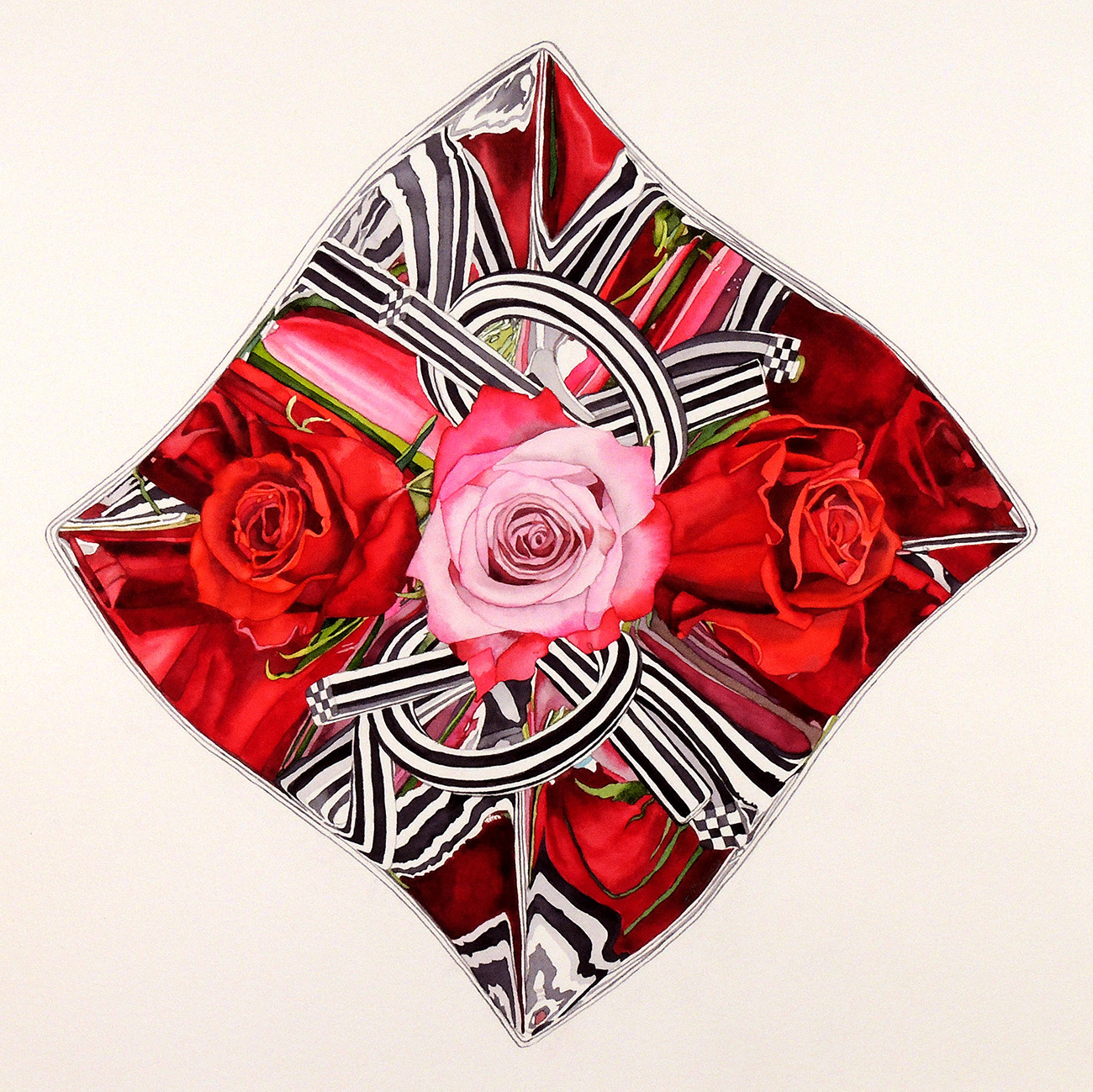
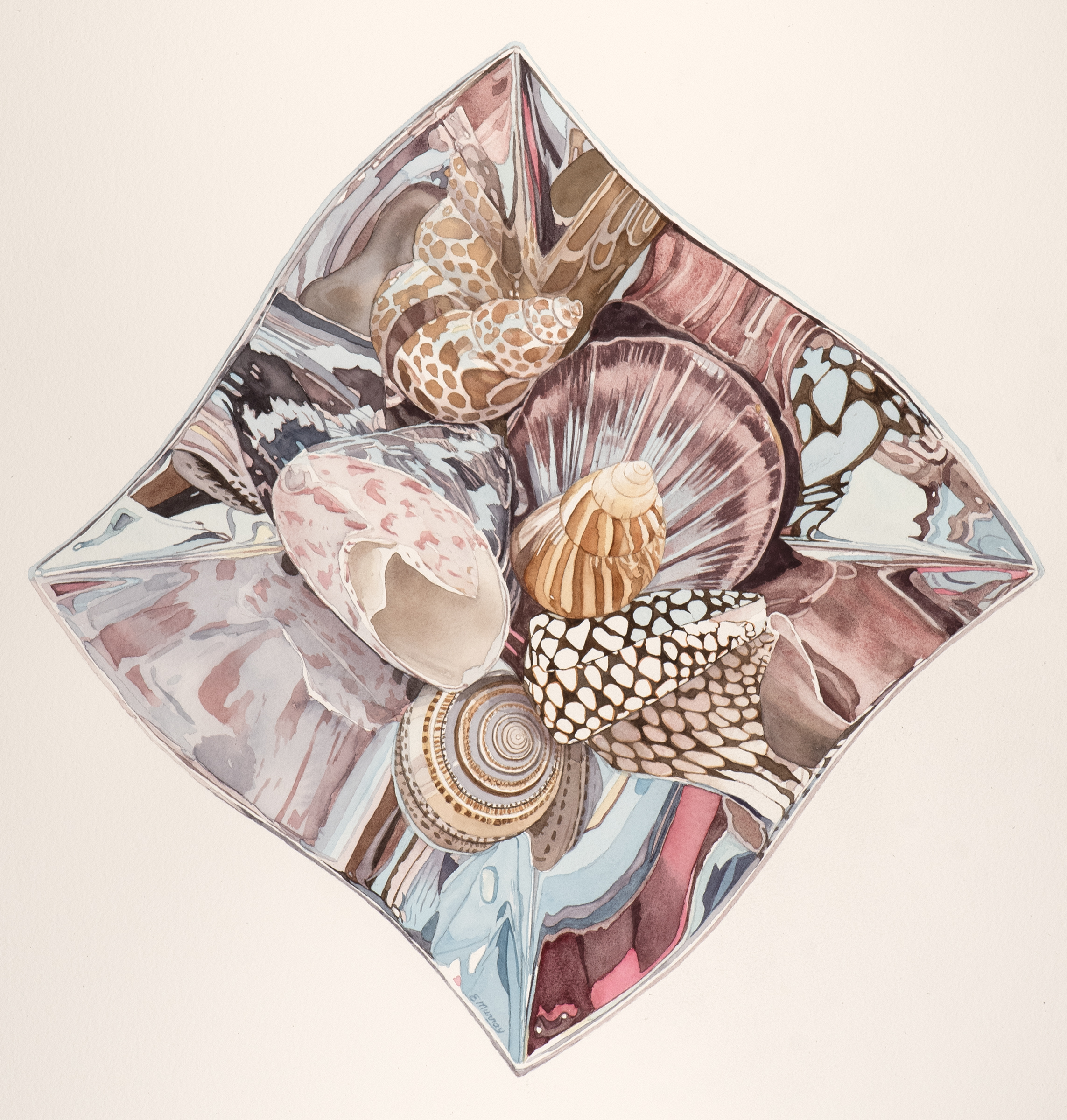
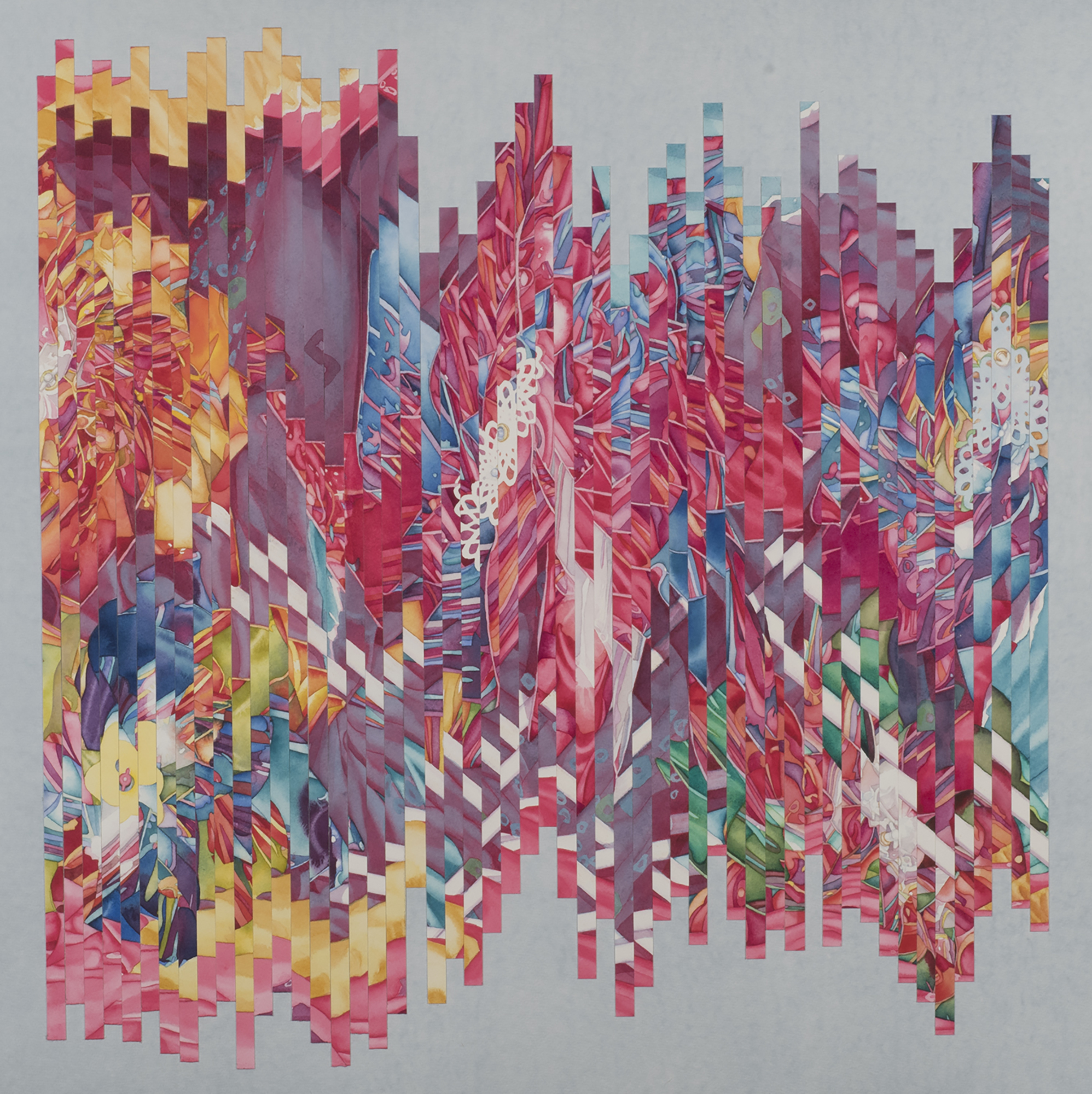
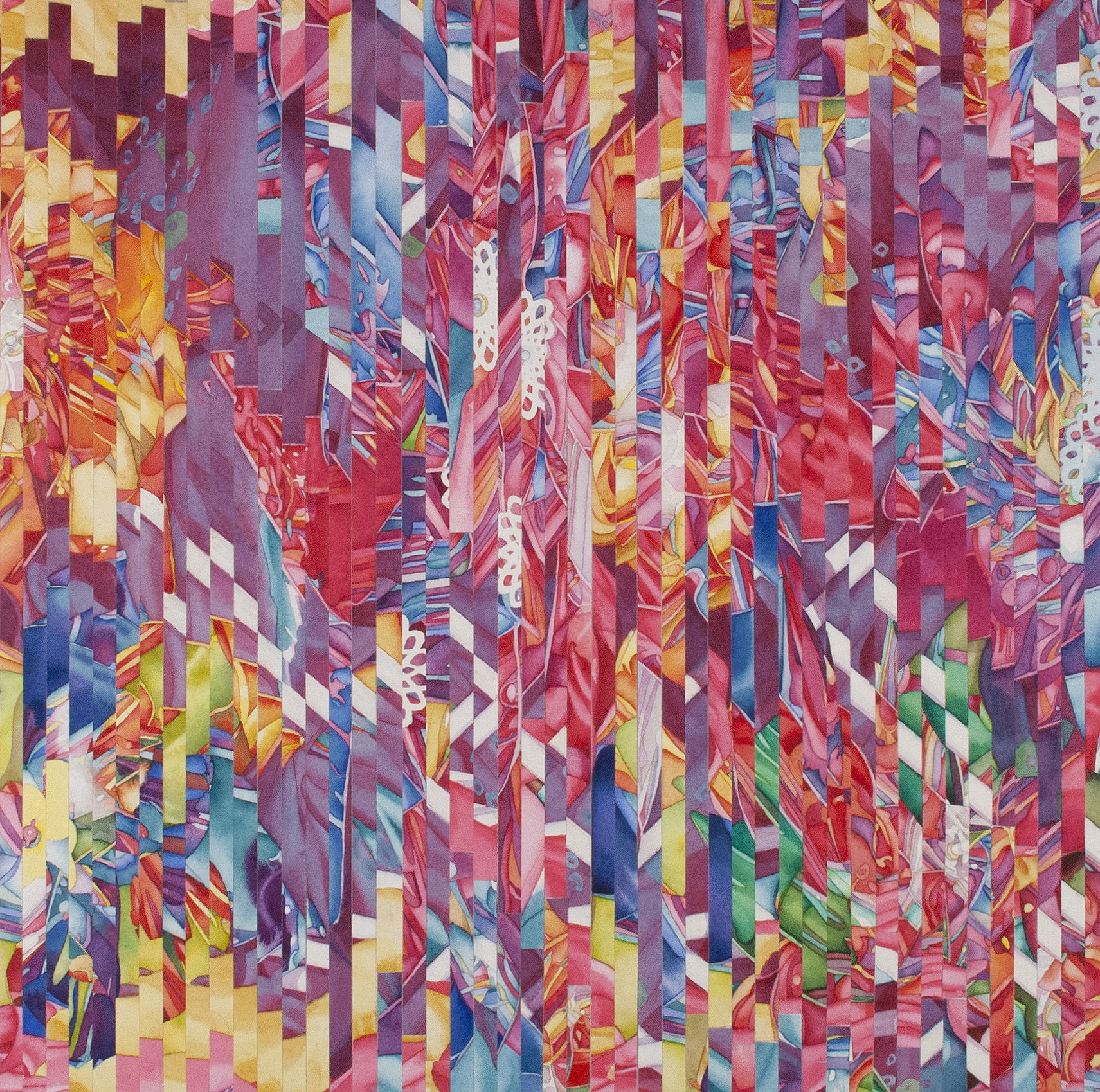
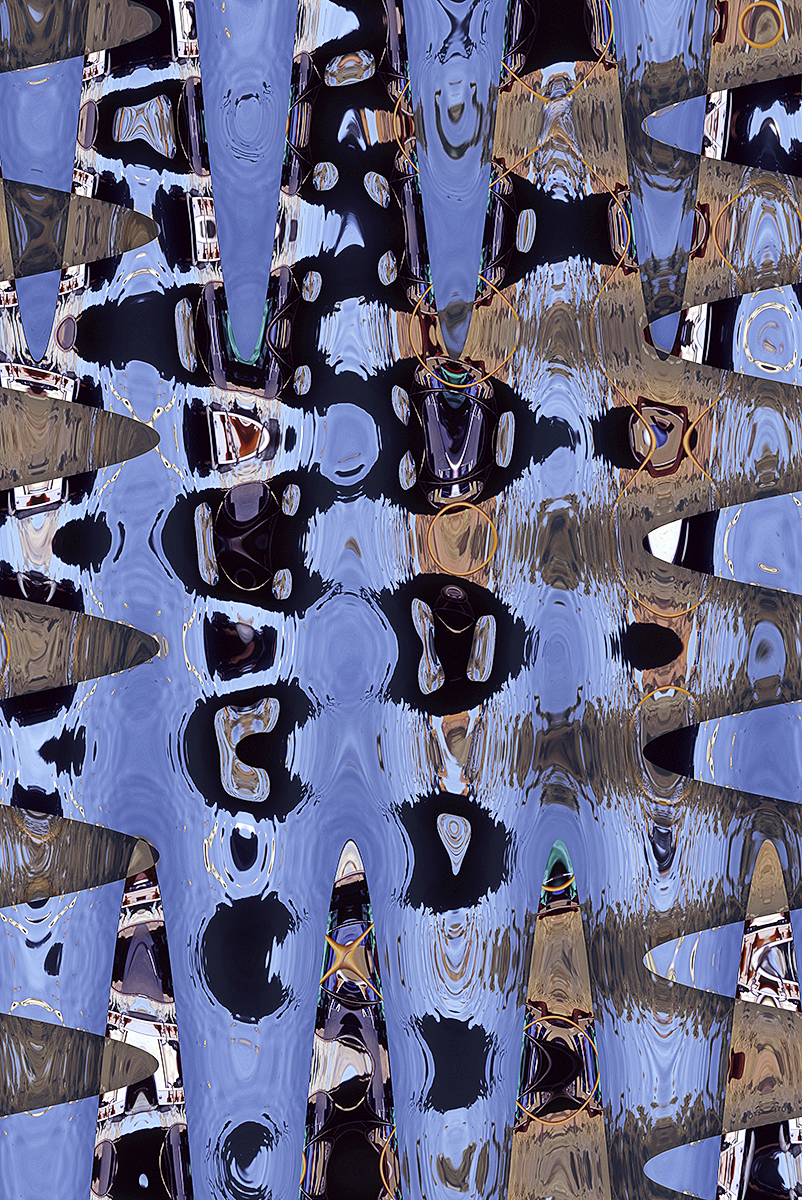
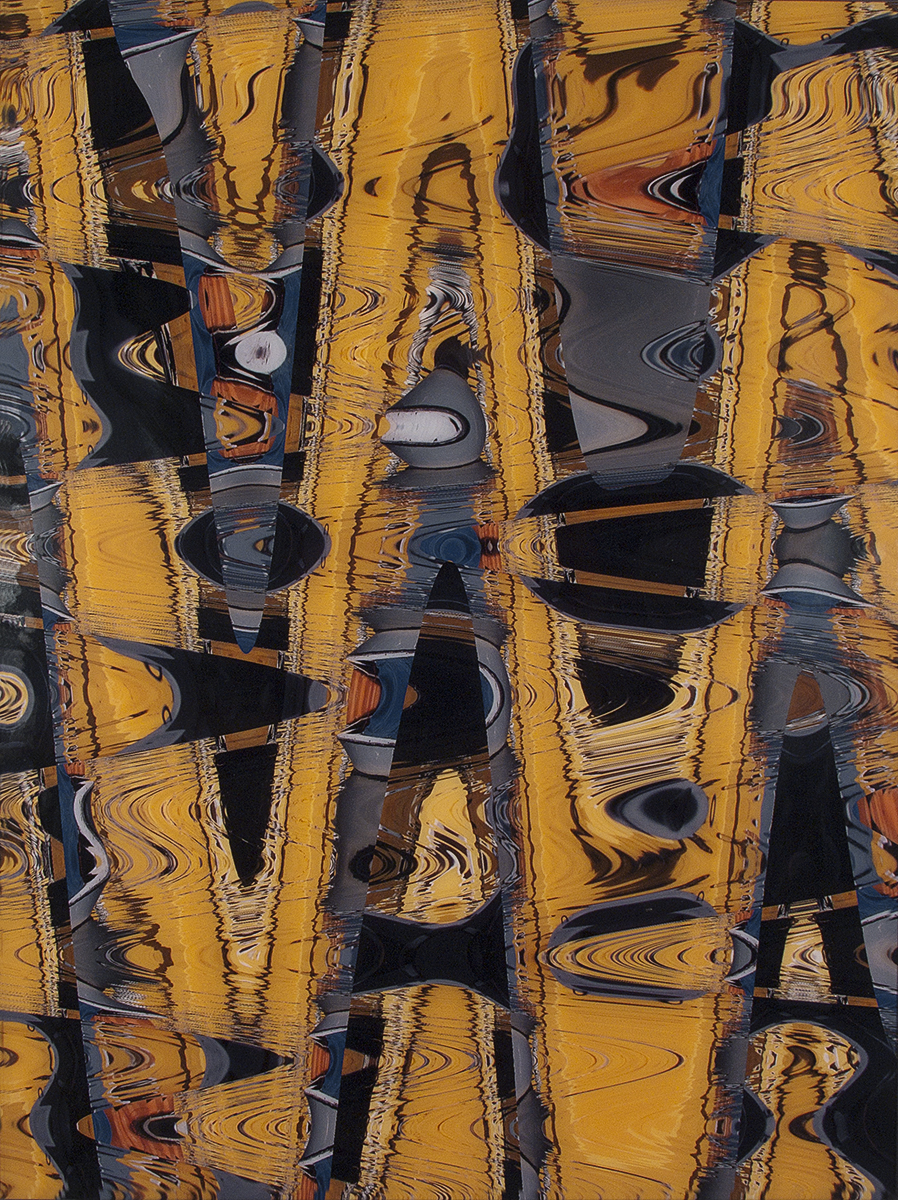
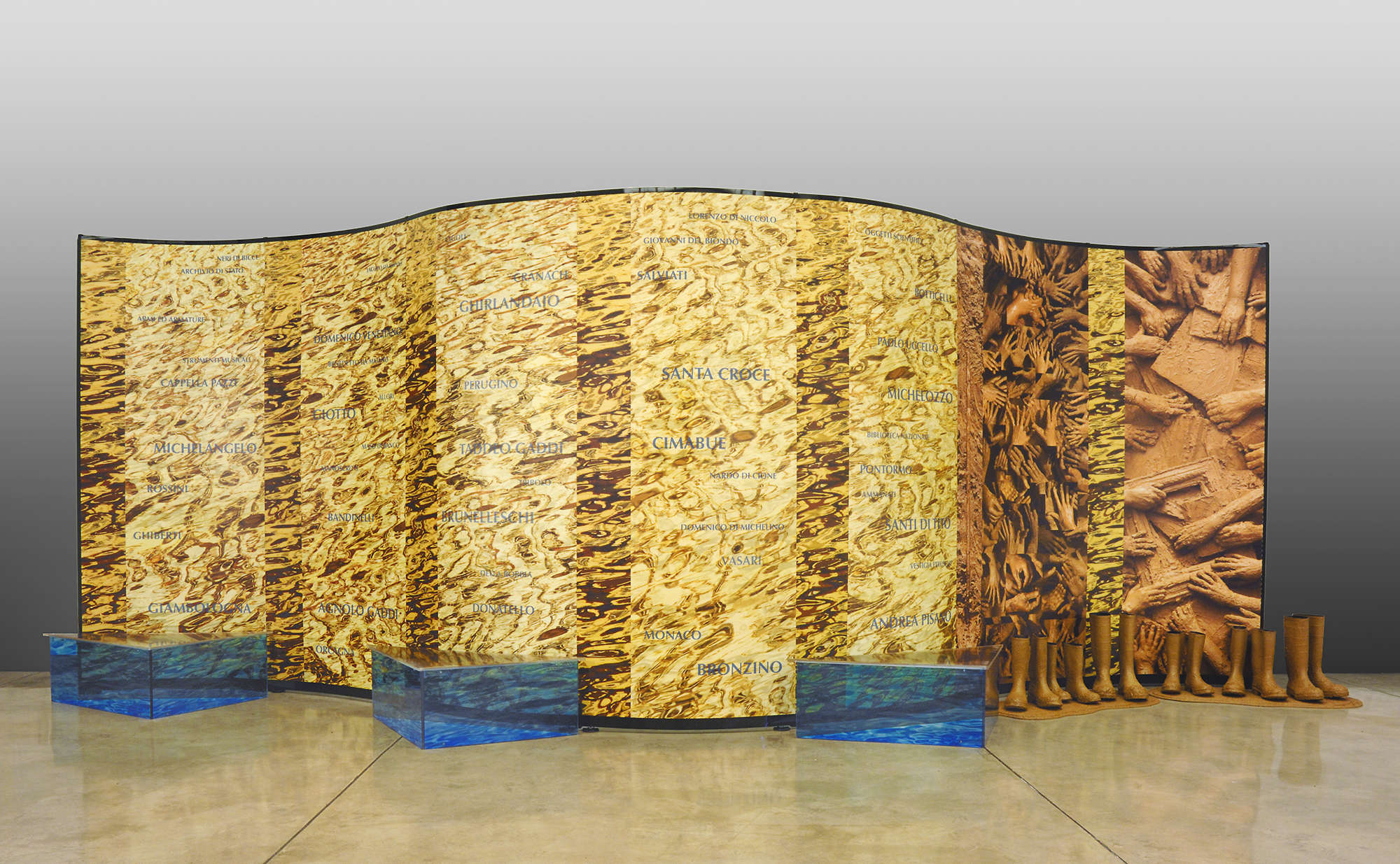
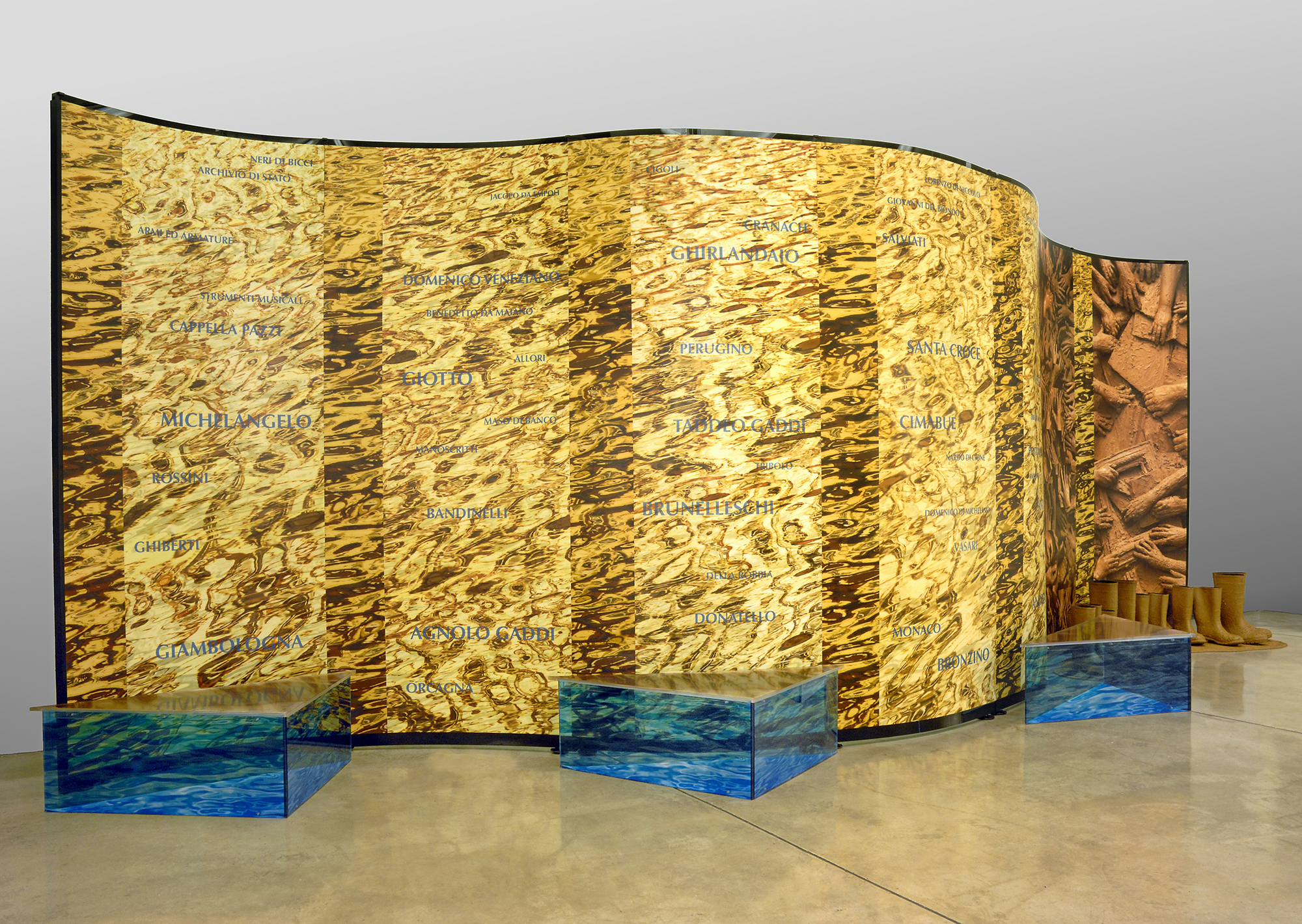
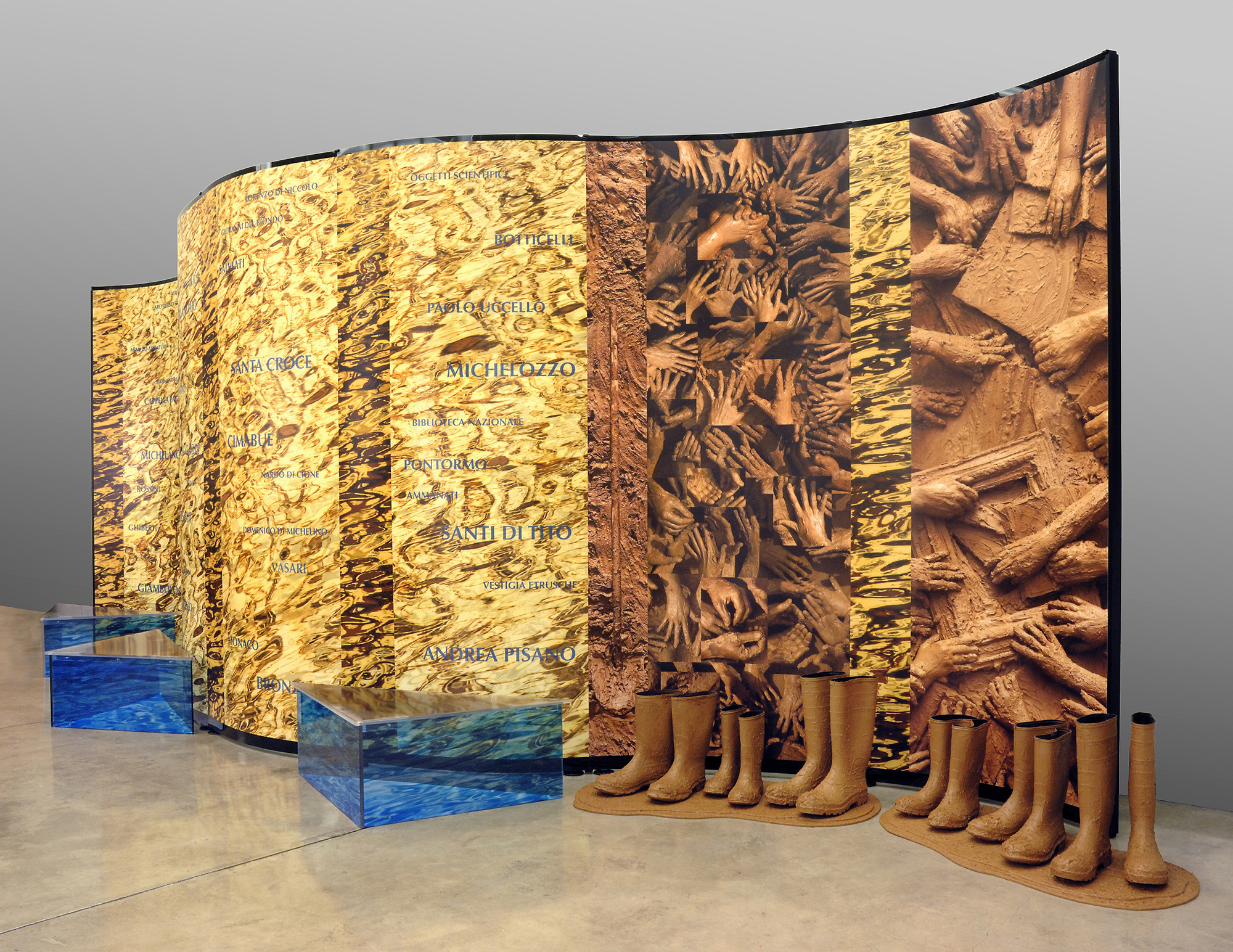
The “Deluge” Project
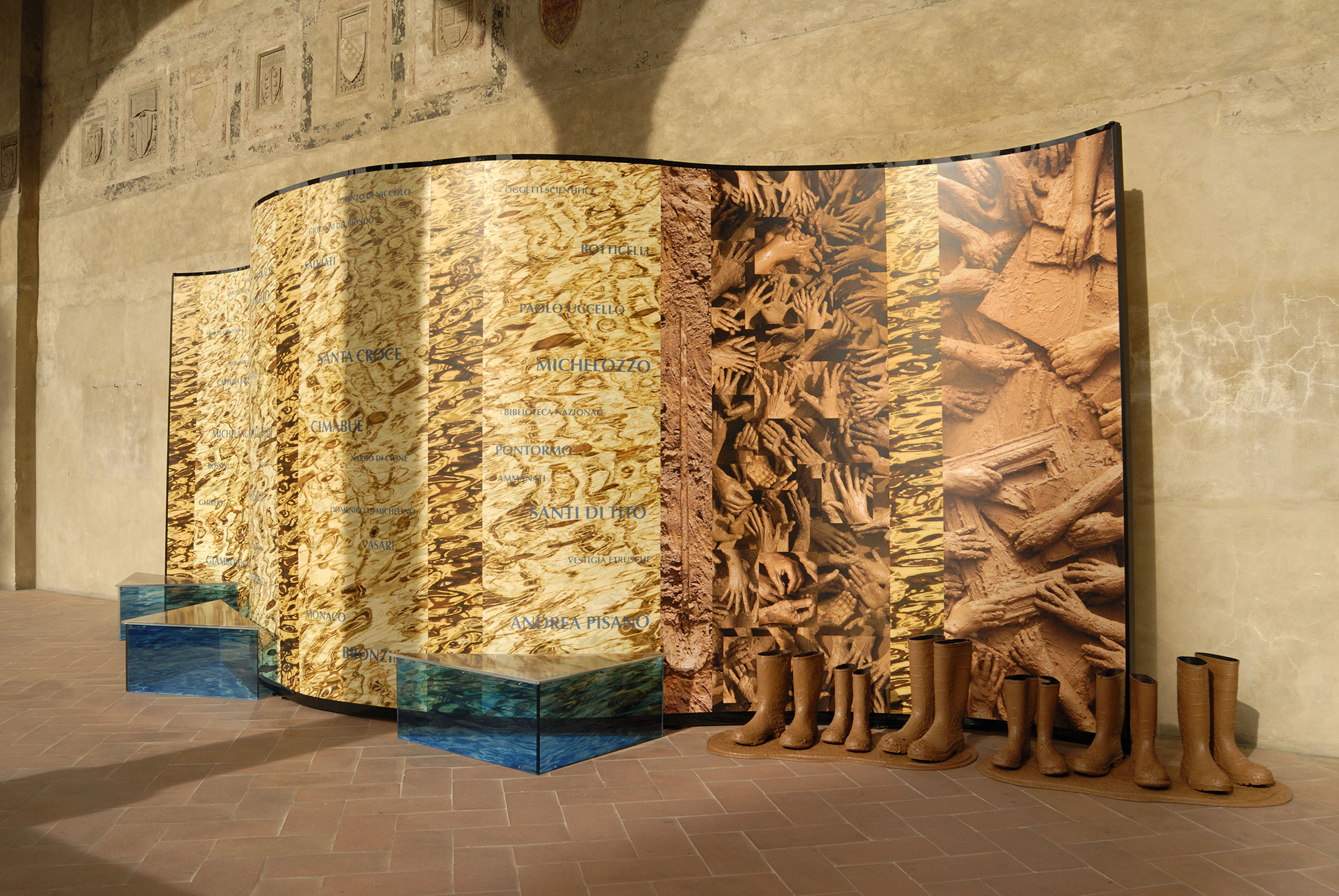
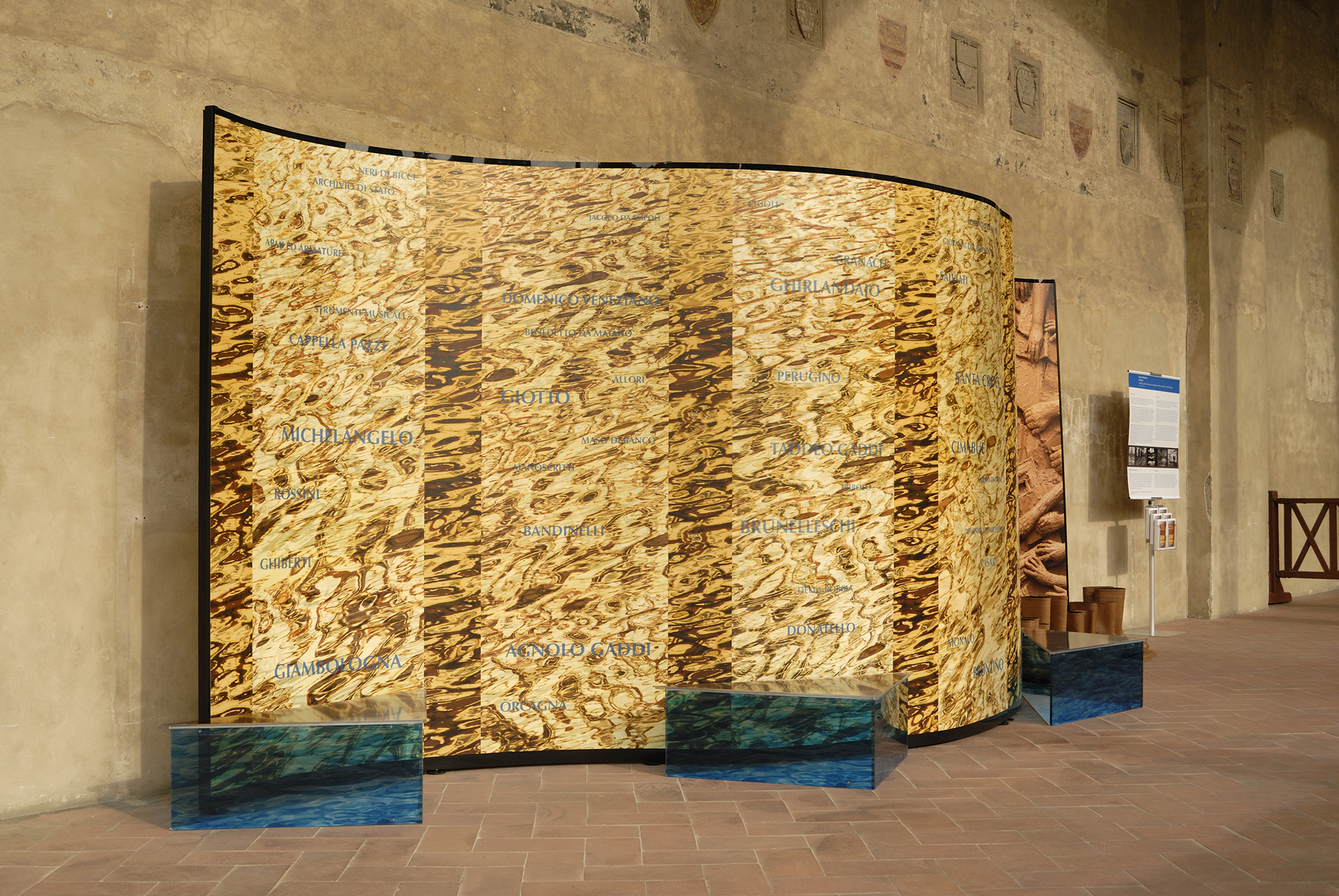
mixed media 7.8ft x 21.5ft x 5ft
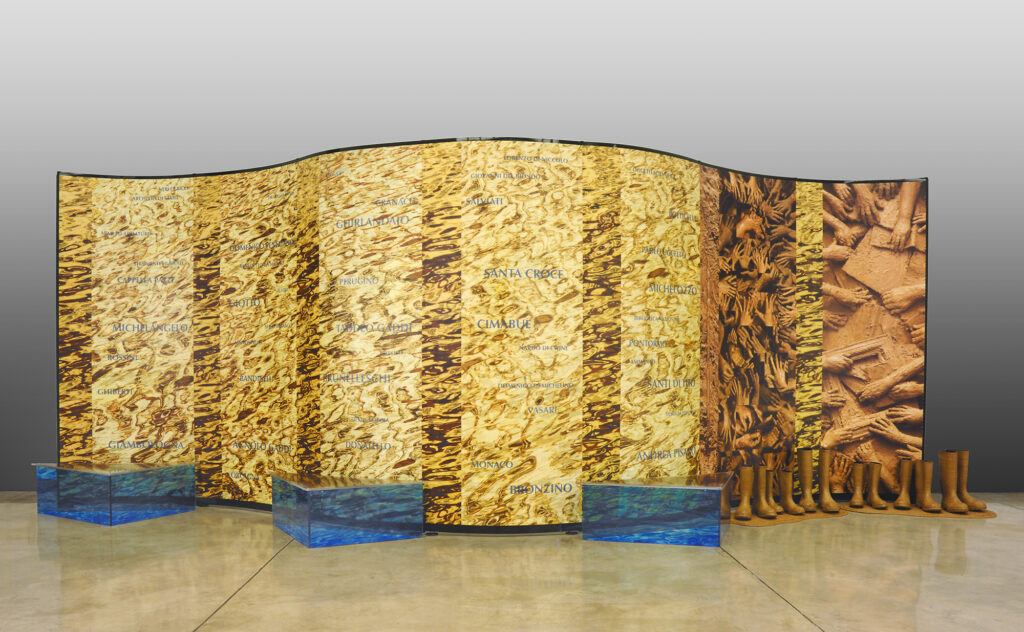
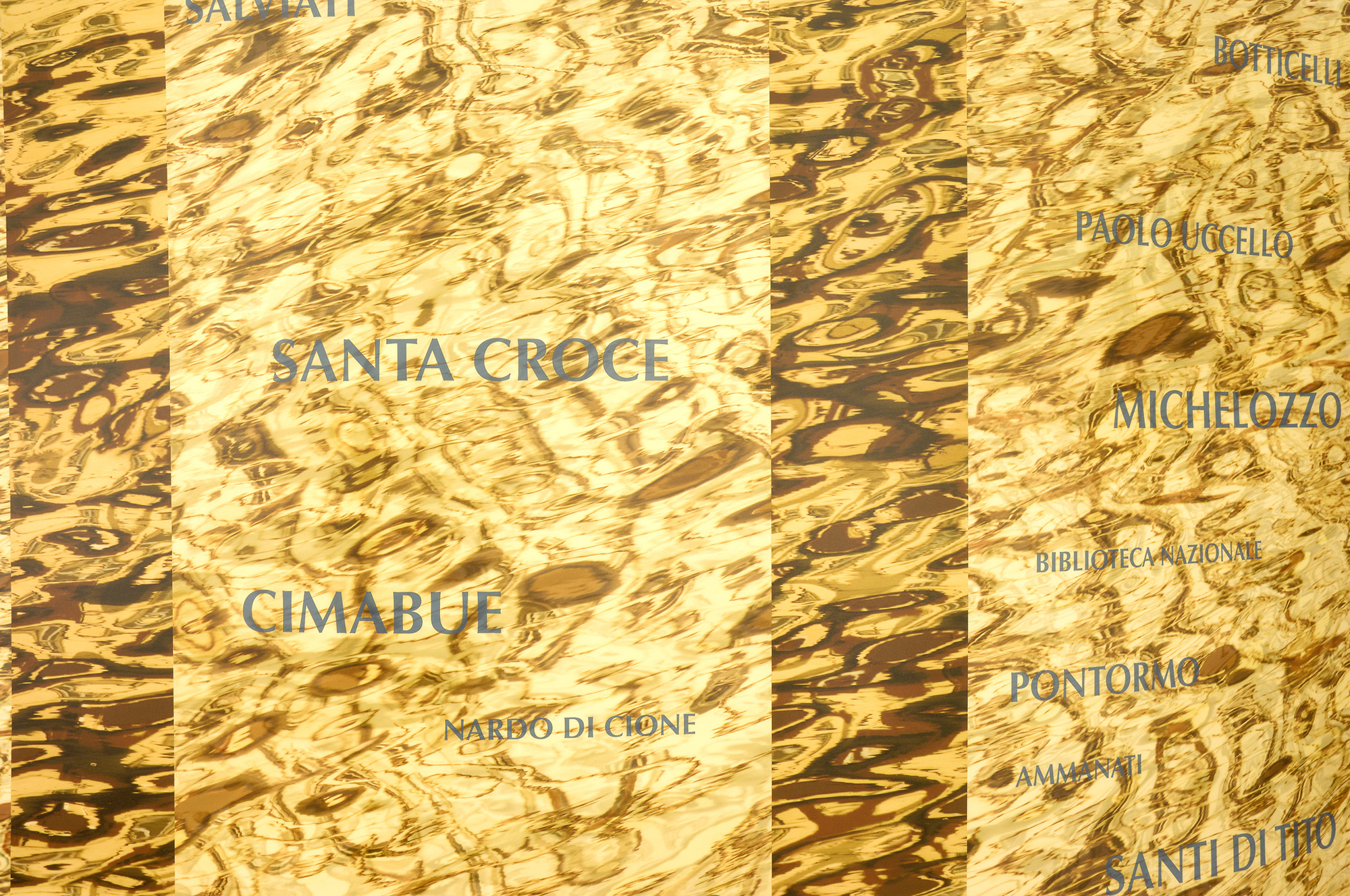
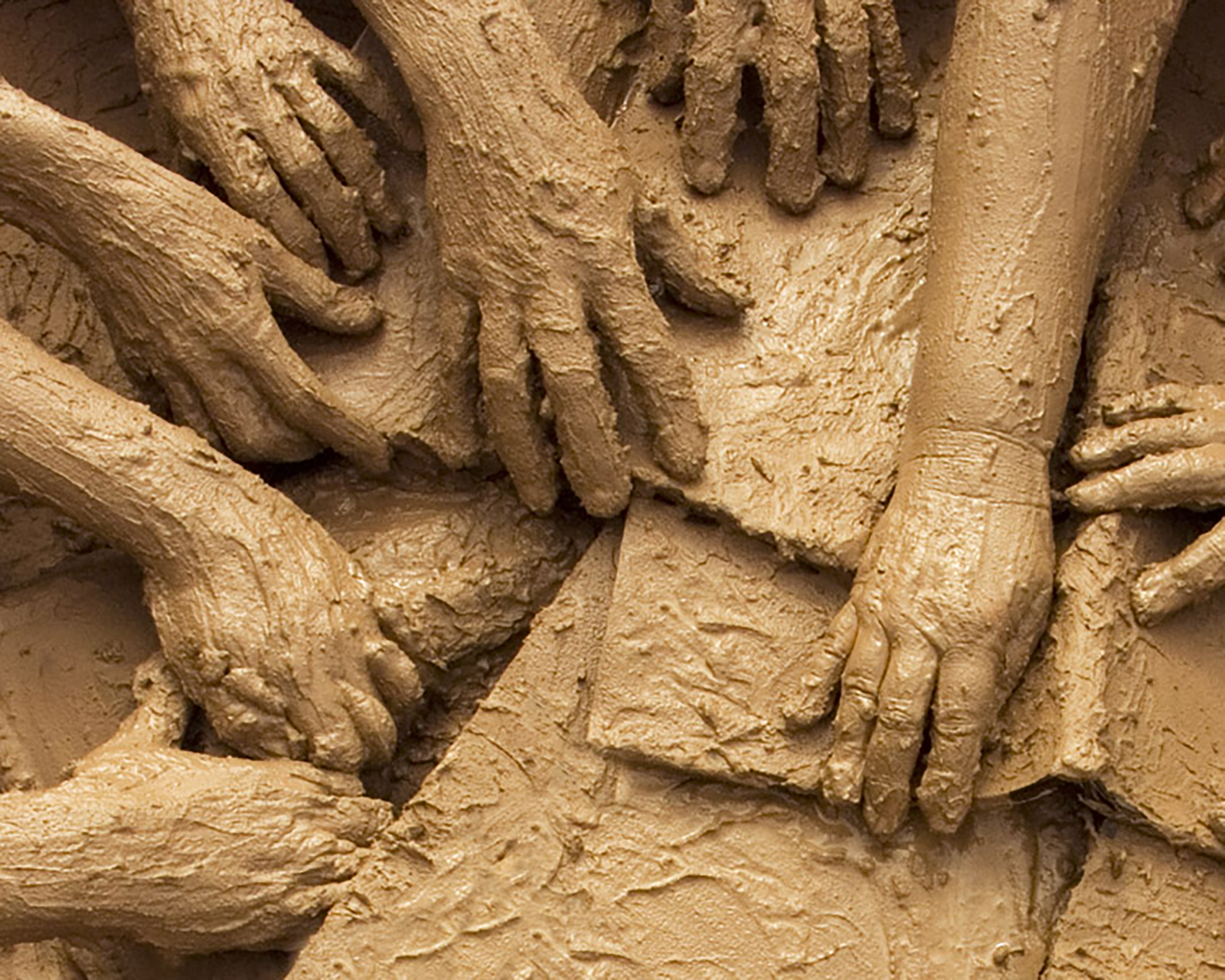
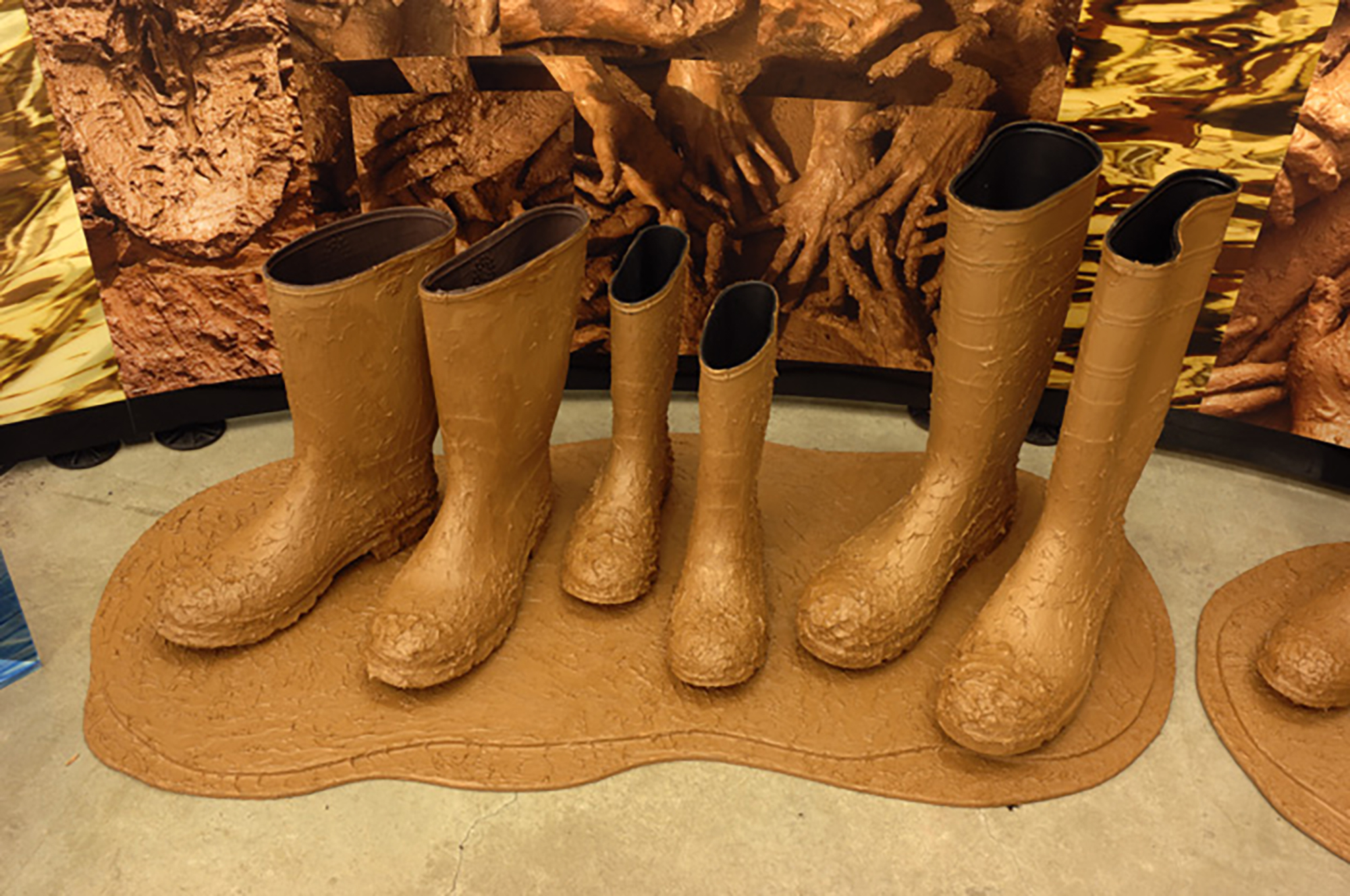
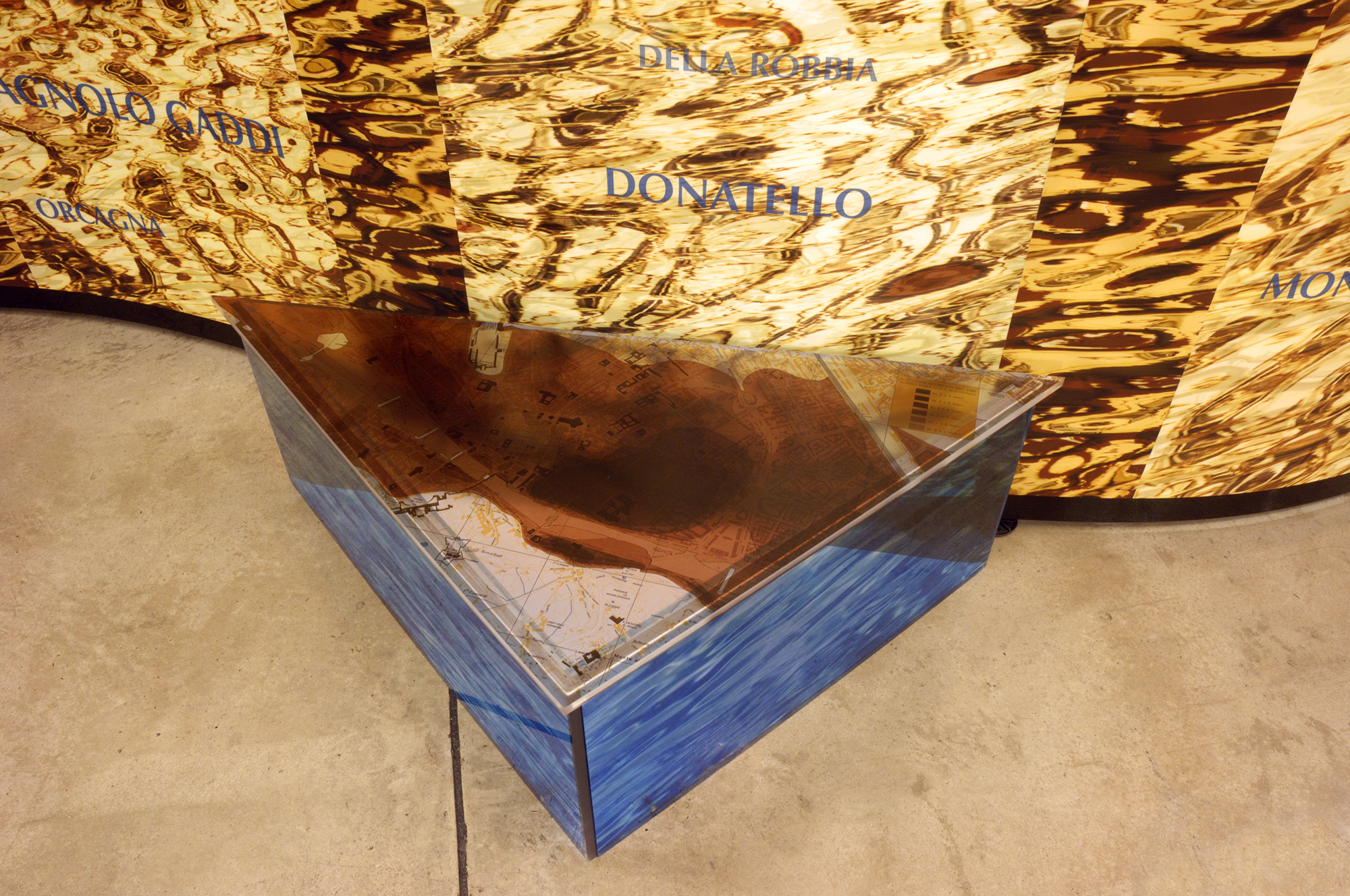
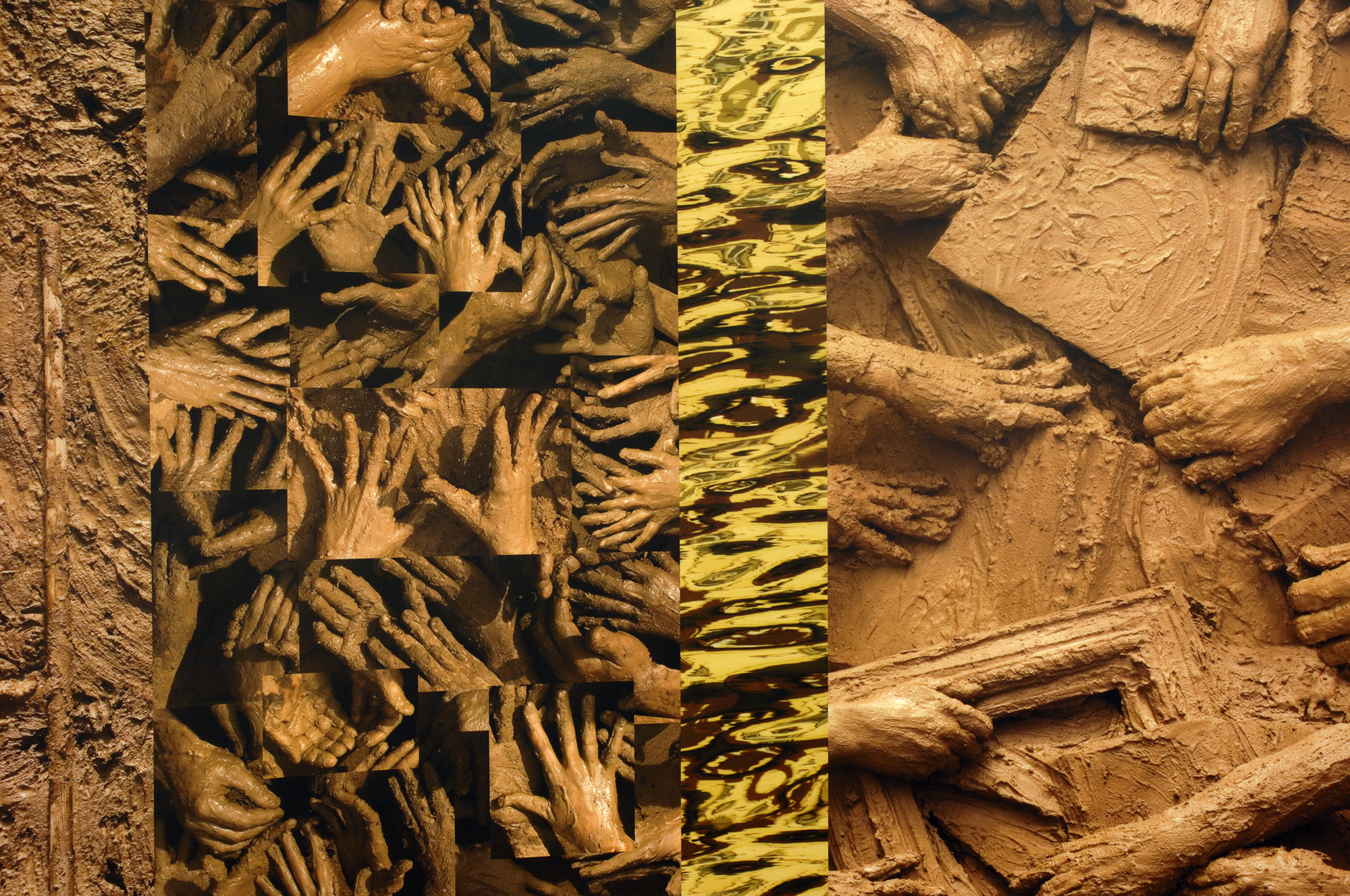
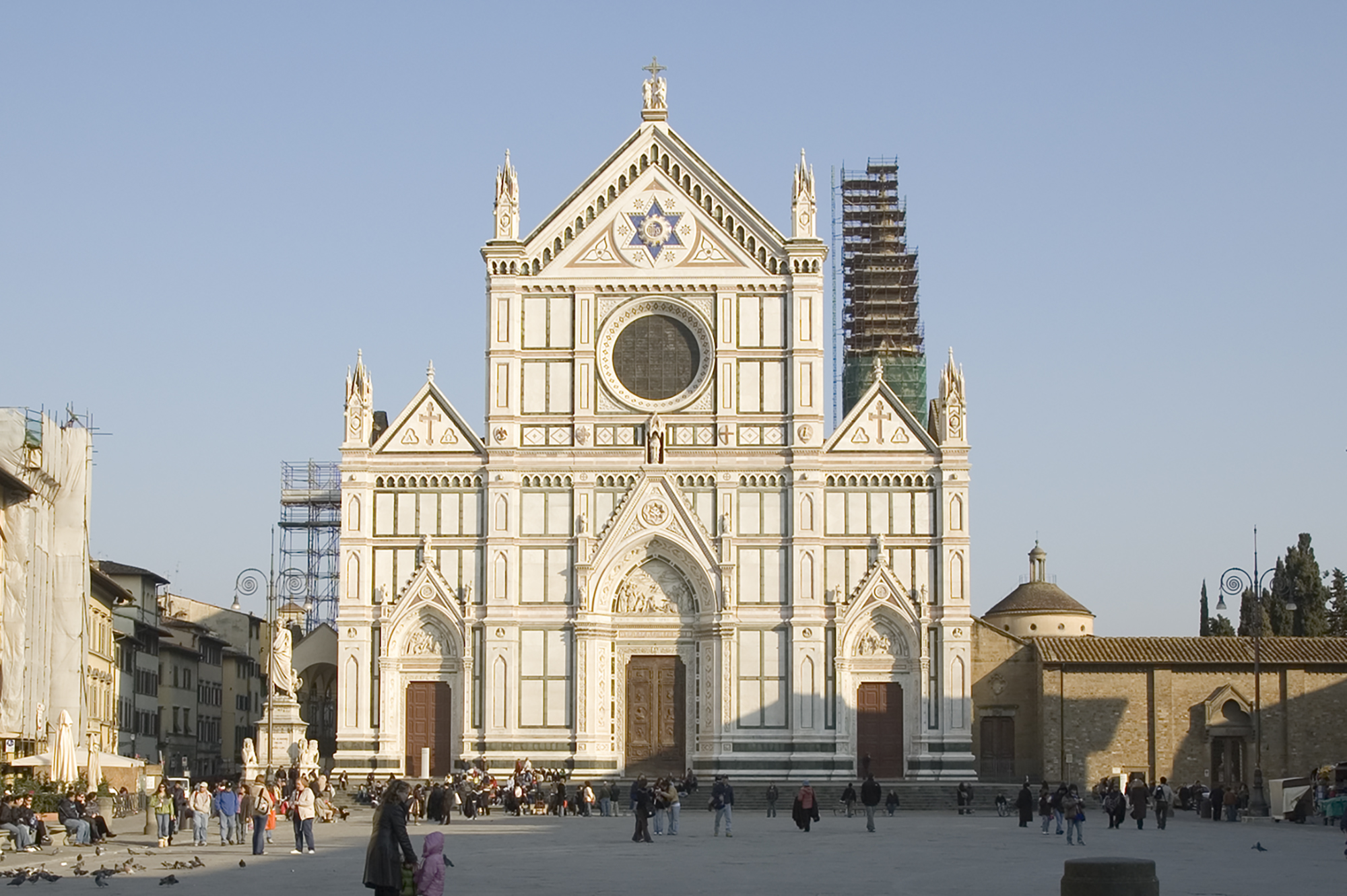
“Deluge” symbolizes the November 4, 1966 Flood in Florence, Italy, and the world response to the enormous natural disaster. Inspired by imagery from the the Arno River, large panels represent the floodwaters mixed with mud and fuel oil that rose 16 feet against the walls of the famous Santa Croce Church and raged throughout the city. Names trapped in the the waters are a reminder of the retrieval, drying, and restoration of artworks caught in the deluge. Translucent three-dimensional map elements illustrate the floodwater levels. The color blue symbolizes protection, purity, rebirth, and recovery.
“Deluge” was displayed in the cloister of Santa Croce Church during exhibitions commemorating the 40th anniversary of the 1966 Florence Flood. This marked the first exhibition of an American artist in this space.
Remembering an Inspirational Artist and Mentor
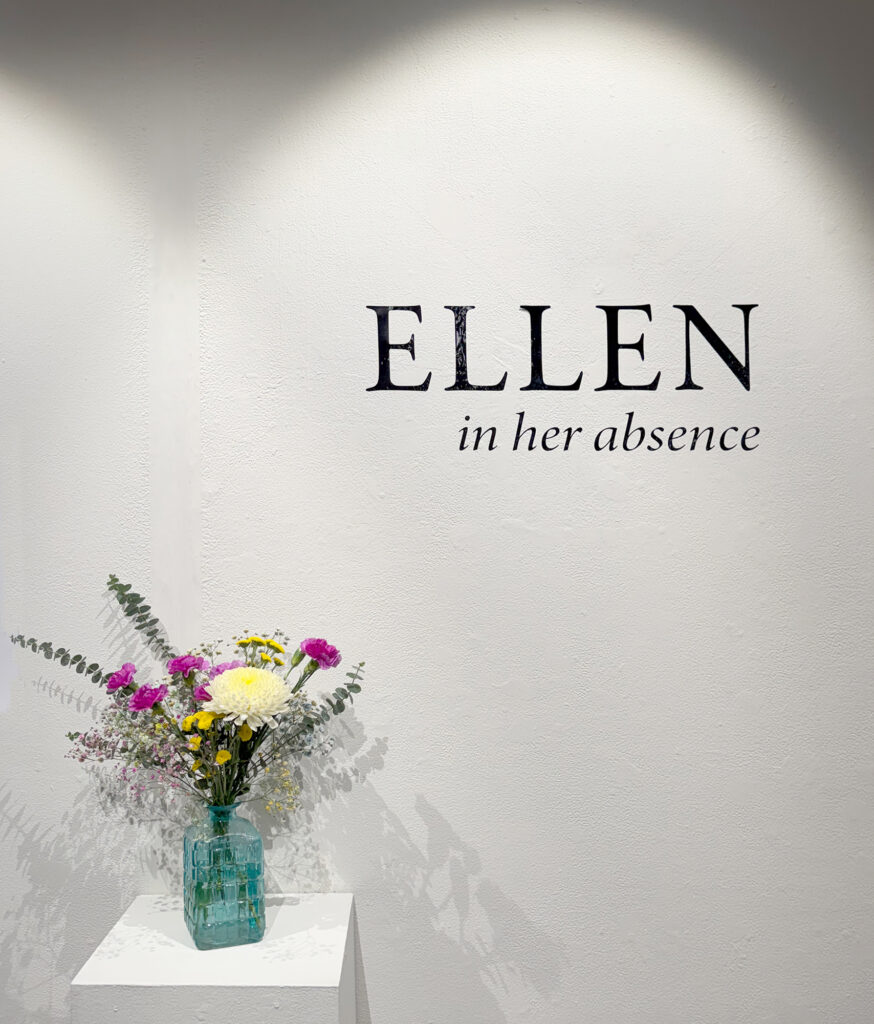
A memorial exhibition was held in early 2026 at Arizona State University’s Gallery 100 honoring her life, teaching, and artistic influence. It featured the collaborative works from students and colleagues reflecting on her mentorship.
Memorial Statements from the Exhibition
“Ellen in Her Absence: Works in Gratitude and Response honors the life, teaching, and enduring presence of Ellen Murray Meissinger, whose generosity of time, attention, and care profoundly shaped generations of artists at Arizona State University. Born in Raleigh, North Carolina, Ellen’s path as an artist and educator was grounded in deep observation, material sensitivity, and a belief in learning through experience—values that guided her decades-long commitment to teaching.
After earning her BFA and MFA from the University of North Carolina at Greensboro, Ellen developed a nationally exhibited studio practice alongside a lifelong dedication to students. In 1986, she joined the faculty at Arizona State University, where she helped build and sustain one of the largest programs in the country devoted to watercolor and other water-based media. Her teaching extended far beyond the studio. Through study abroad programs in Florence, Italy, Ellen led students into museums, streets, and landscapes, encouraging them to see history, place, and process as living classrooms. Closer to home, her field trips to the Boyce Thompson Arboretum offered students opportunities to slow down, observe carefully, and learn directly from the natural world; lessons in attention that continue to inform their practices.
Ellen’s commitment to interdisciplinary learning and student opportunity was further reflected in her collaboration with the ASU Library Map and Geospatial Hub on the Creative Cartography exhibition series. The works gathered here are a mere glimpse of her true impact that extend beyond this moment. Artworks by current and former students, colleagues, and friends, are offered as acts of gratitude and response. Together, they honor a life devoted to teaching, curiosity, and care, and affirm how Ellen’s influence continues to ripple outward through many hands, practices, and futures.”
On Teaching
“We learned from Ellen Murray Meissinger what it means to look closely and to take our work seriously. She met us with attention and patience, listening carefully to what we were trying to say—even when we did not yet have the words. In critiques, she had a remarkable ability to cut straight to the heart of the work. Her questions were precise and generous, often revealing what mattered most and helping us recognize intentions we were still discovering.
Ellen taught us that becoming an artist is not simply about skill or style, but about learning how to observe, how to trust our instincts, and how to remain open to uncertainty. She challenged us to slow down, to work with care, and to understand materials as active partners in the process. Through her insight and honesty, many of us encountered turning points—moments when the work clarified, and something shifted within us as well.
The works gathered here are offered in gratitude for her commitment to students and to the labor of teaching itself. They reflect what Ellen gave us: rigor, care, and belief in our ability to grow. Her attention shaped how we work, how we look, and how we continue to learn—long after we left her classroom.”
She will be missed,
her students.
Leave a Reply